
Two States. One Team You Can Trust.
In-depth guides to the towns of the Chicago South and West suburbs and Northwest Indiana — schools, taxes, commutes, and housing stock — from a team that has worked both sides of the state line since 2003.
How the Two States Compare
Same commute distance to Chicago, though the rules underneath change the moment a home crosses the state line. Here is what actually differs, town by town, so the choice comes down to fit rather than guesswork.
Choose Illinois if you want…
- Metra access straight into downtown Chicago
- A wider inventory across Will, Kendall, Grundy, DuPage, Kane & Cook counties
- Established suburbs with mature schools and amenities
Choose Indiana if you want…
- Constitutional property tax caps and generally lower bills
- The South Shore Line, with Double Track service improving Chicago commute times
- More land and new construction for the price in Lake & Porter counties
| Metric | Illinois | Indiana | Where to Verify |
|---|---|---|---|
| MLS | MRED — Midwest Real Estate Data | NIRA — Northwest Indiana Realtors Association | — |
| Property Tax Structure | No constitutional cap; district rates vary | Constitutional caps apply | County Assessor |
| Homestead / Exemptions | Illinois exemption rules | Indiana exemption rules | County Auditor |
| Rail to Chicago | Metra | South Shore Line | Transit agency schedules |
| School Districts | Often split elementary / high school | More often unified corporations | District boundary lookup |
| Transfer Taxes | State, county & often municipal — $1.50/1,000 minimum | Mostly none; Lake County $3/1,000 | Municipality |
City Directory
Illinois

IL • Will COUNTY
Plainfield
One of the fastest-growing communities along the I-55 corridor, with housing that spans 1990s subdivisions, newer construction, and a walkable historic downtown along the DuPage River. Home to the area's largest established 55+ community. ·

IL • Will/kendall COUNTY
Joliet
The county seat and the largest city in the service area, with the widest price range of any community on this list — from historic near-downtown housing to newer subdivisions on the west and southwest sides. Two Metra lines serve the city.
IL • Will COUNTY
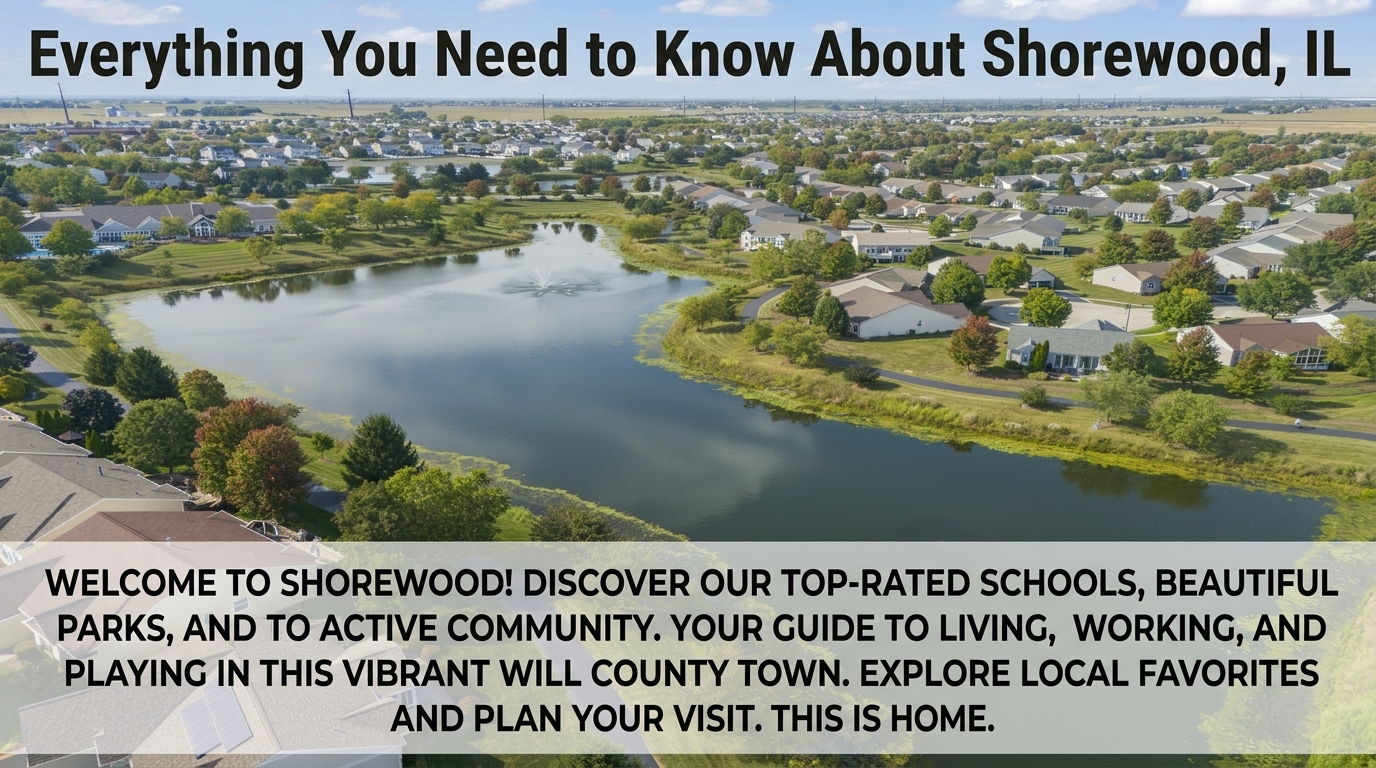
Shorewood
A smaller community west of Joliet along the DuPage and Des Plaines rivers, with newer housing stock, an established Del Webb community, and quick access to I-55 and I-80.
IL • Will COUNTY
Romeoville
An I-55 corridor community along the Des Plaines River, home to Lewis University and its airport, with housing that ranges from established mid-century neighborhoods to newer subdivisions on the west side. Isle a la Cache and the river corridor run along its eastern edge
IL • Will COUNTY
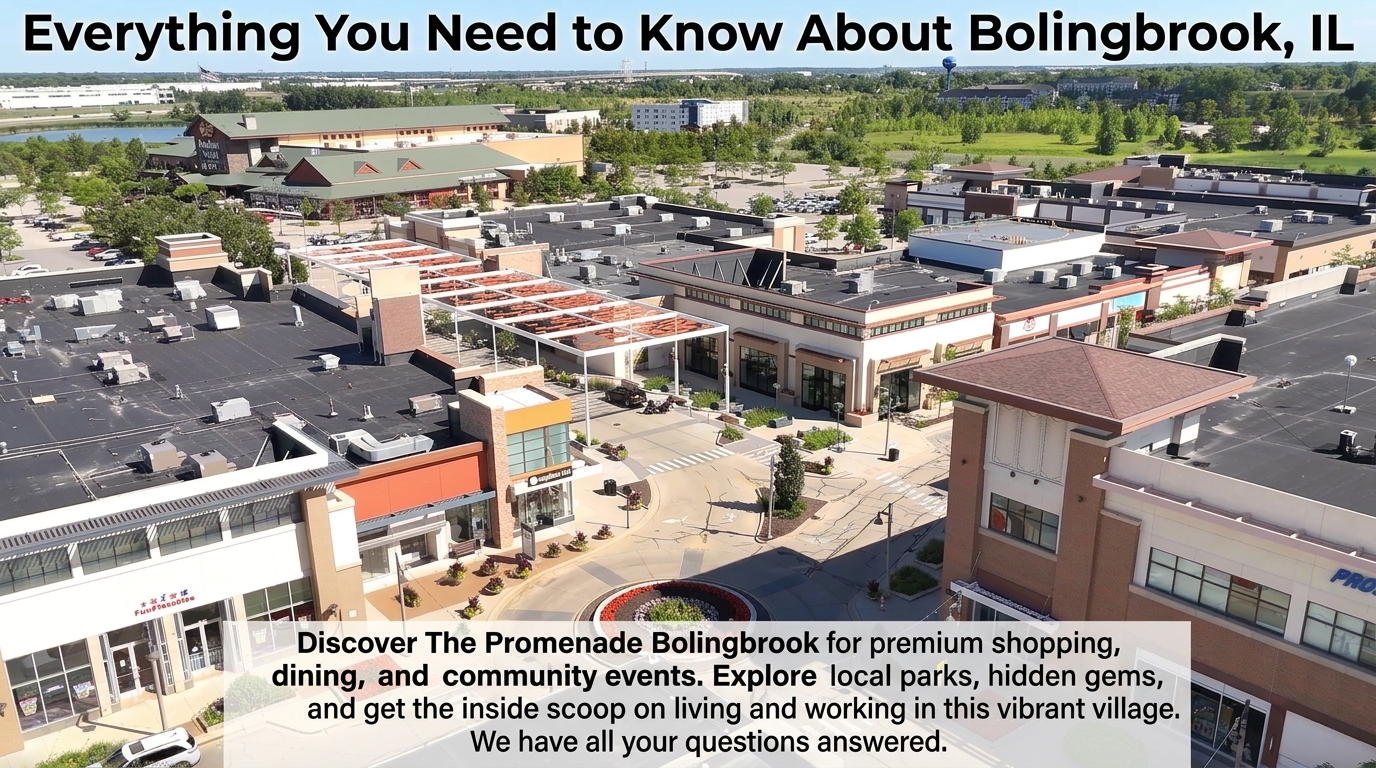
Bolingbrook
A largely built-out community straddling the Will–DuPage line along the I-55 corridor, with housing spanning roughly five decades of construction from 1960s subdivisions through 2000s development. The Promenade shopping district and Bolingbrook Golf Club anchor the commercial and recreation side.
IL • Will COUNTY
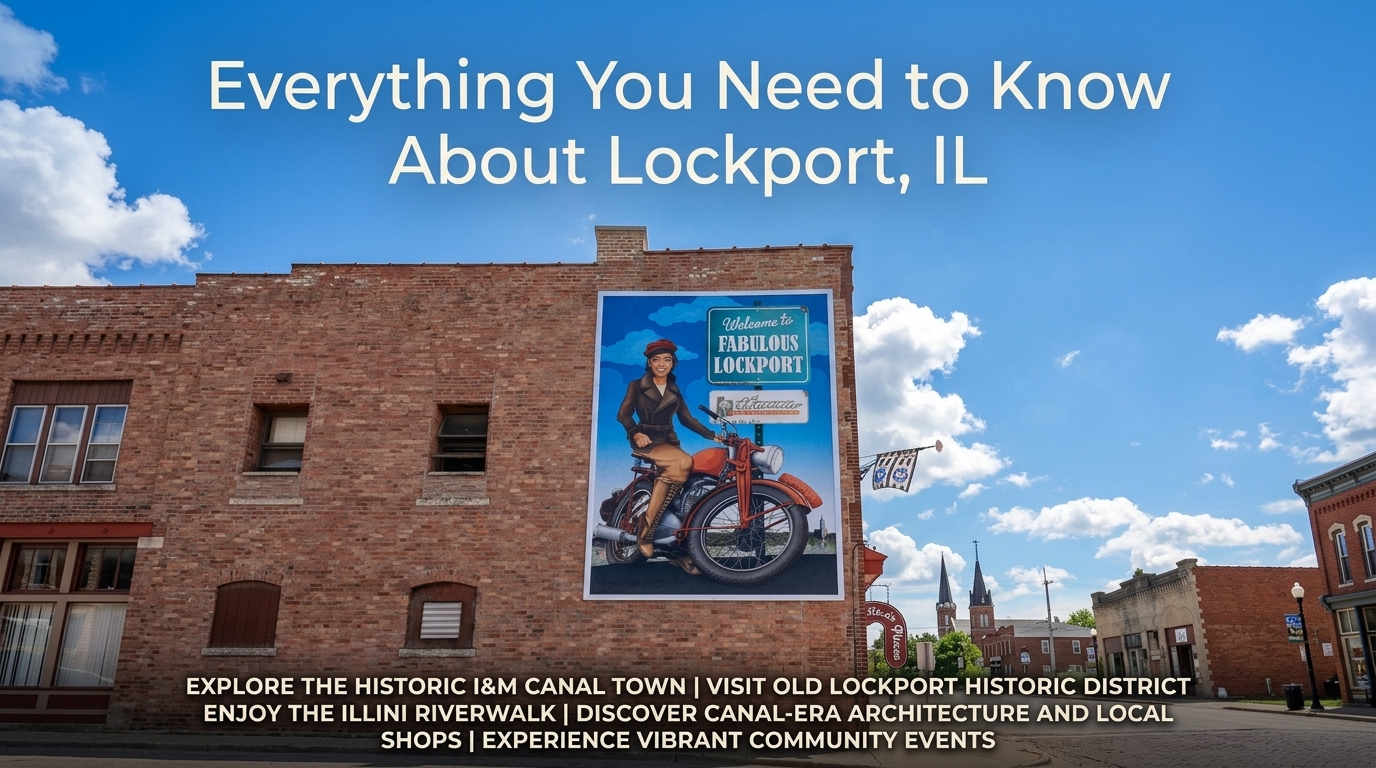
Lockport
Historic headquarters of the Illinois & Michigan Canal, with a downtown along State Street, the Gaylord Building, and Dellwood Park. Housing runs from 19th-century limestone construction near the canal to newer subdivisions on the west side. Metra's Heritage Corridor line serves the city.

IL • Du Page/Will COUNTY
Naperville
The largest and generally the highest-priced community in the service area, with a nationally known downtown, the Riverwalk, and housing that ranges from historic near-downtown homes to large newer subdivisions on the south and west sides.
IL • Kane/Du PAge/Will/Kendall COUNTies
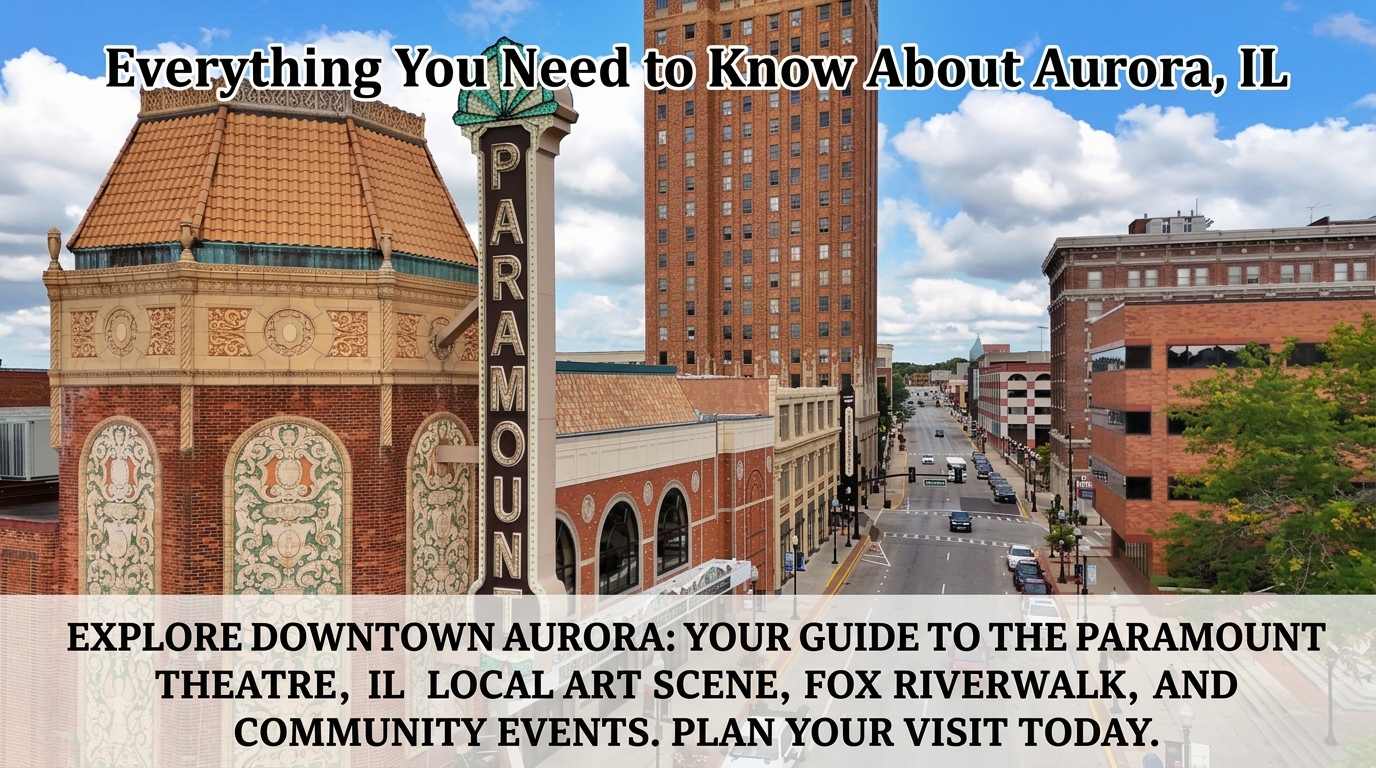
Aurora
The second-largest city in Illinois, spanning four counties along the Fox River. Housing runs from historic near-downtown construction through large newer subdivisions on the far east and south sides. The Paramount Theatre, RiverEdge Park, and the Metra BNSF terminus anchor the downtown.
IL • Kendall COUNTY
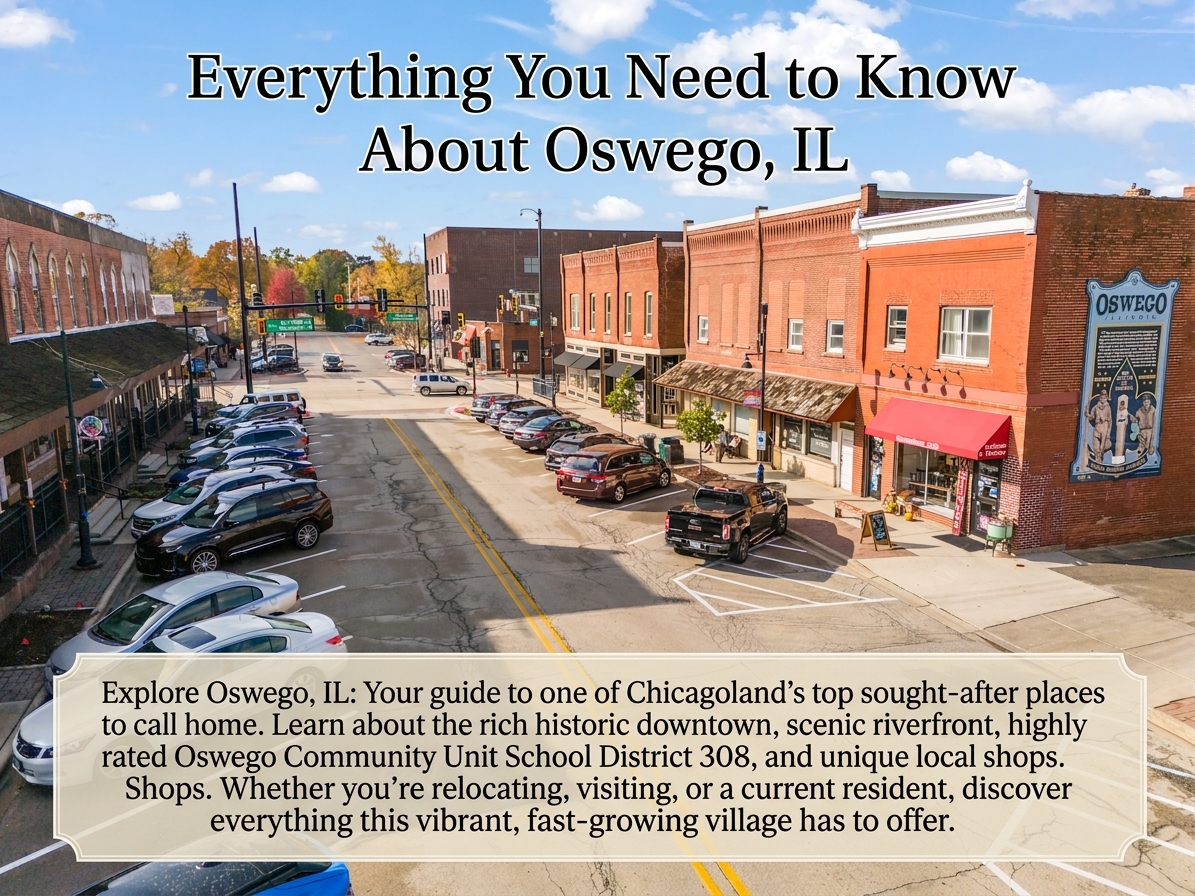
Oswego
A Fox River community that has grown substantially over two decades, with a mix of established neighborhoods and newer construction, and a downtown along the river that has seen steady investment.
IL • Cook COUNTY
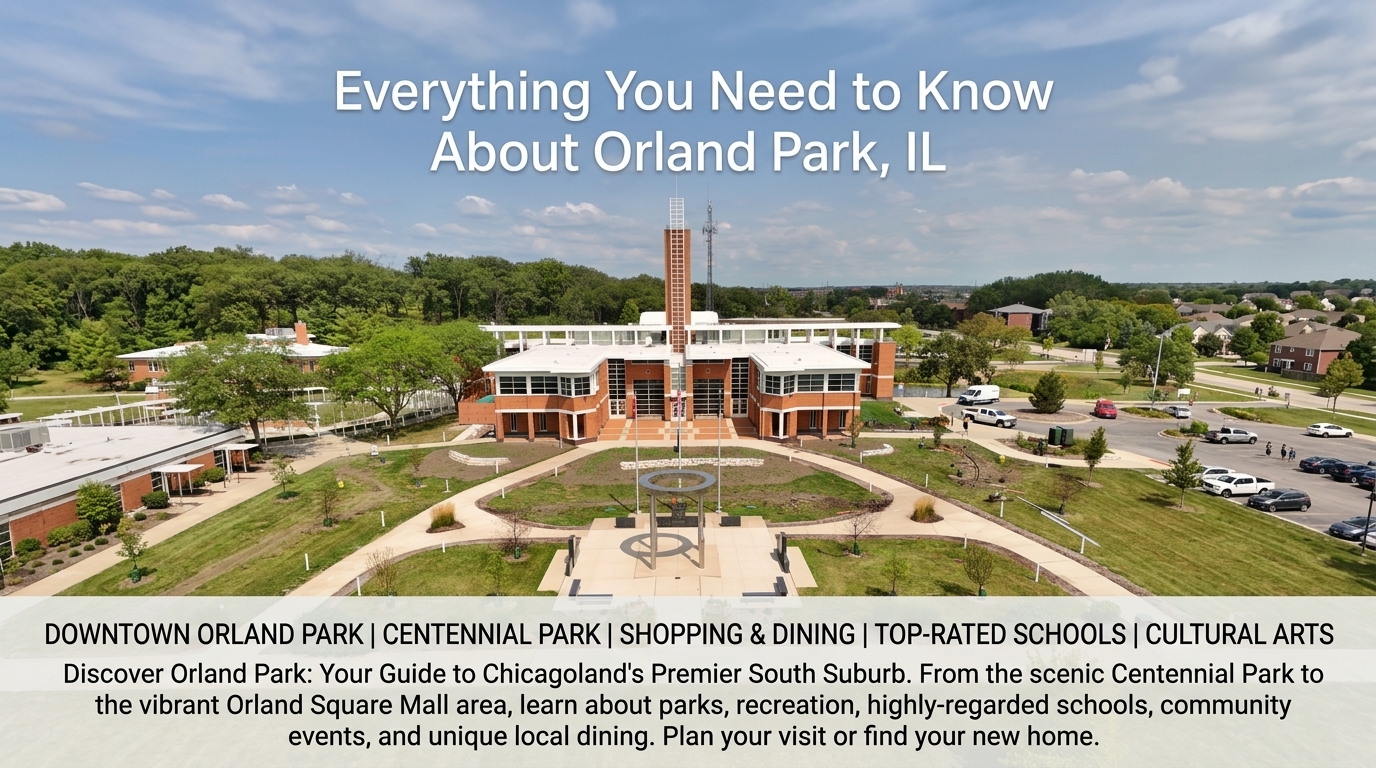
Orland Park
A southwest Cook community with three Metra SouthWest Service stations, the region's largest retail concentration along LaGrange Road, and the Village Center district. Housing spans several decades, from established mid-century neighborhoods to newer construction and a substantial attached-home and townhome inventory.

IL • Cook/Will COUNTY
Tinley Park
A community split across the Cook–Will line with two Metra Rock Island District stations, a downtown along Oak Park Avenue, and a large outdoor concert amphitheater on its western side. Housing spans mid-century construction through newer subdivisions and townhome developments.
IL • Will COUNTY
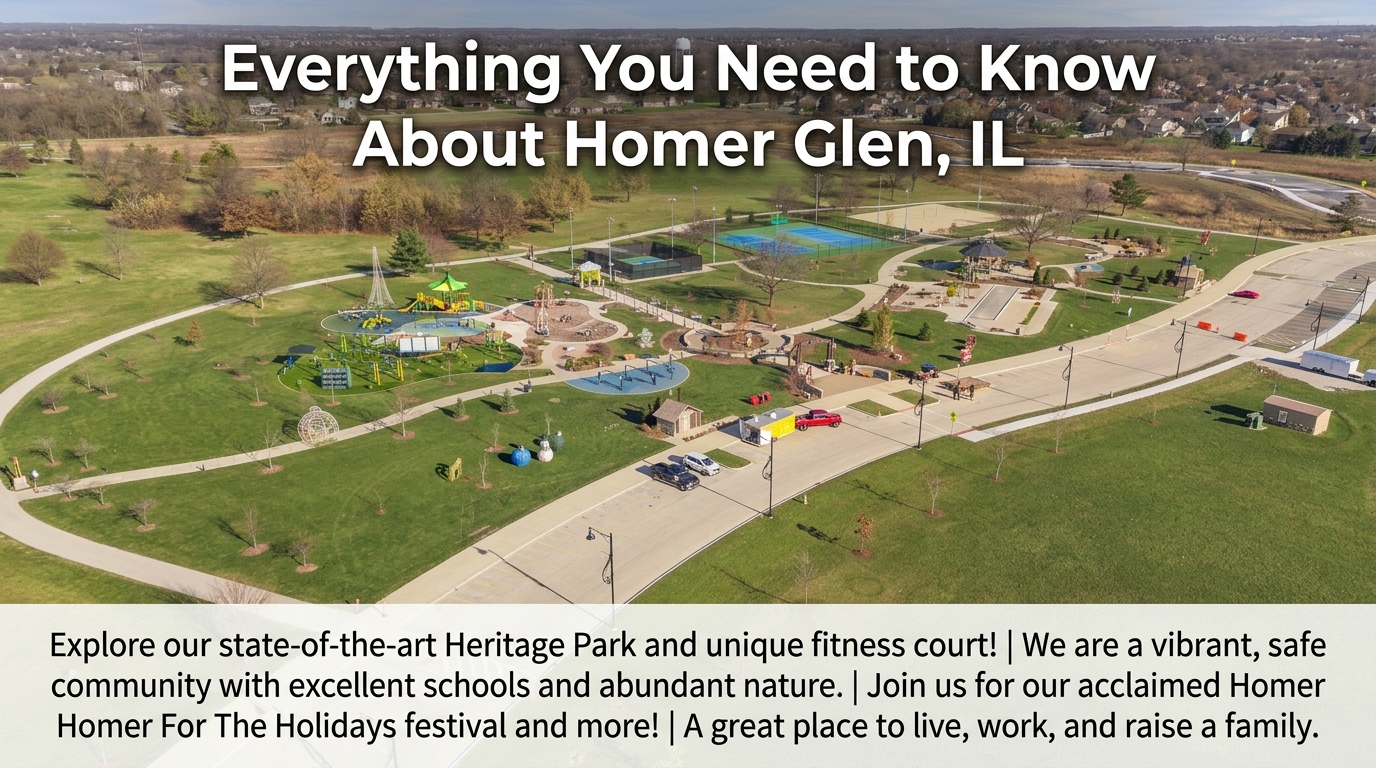
Homer Glen
One of the newer municipalities in the county, incorporated in 2001, with zoning that has preserved noticeably larger lot sizes than neighboring communities and no traditional downtown core. Housing is predominantly detached single-family on substantial parcels, with commercial development concentrated along 143rd Street and Bell Road.
IL • Kendall COUNTY
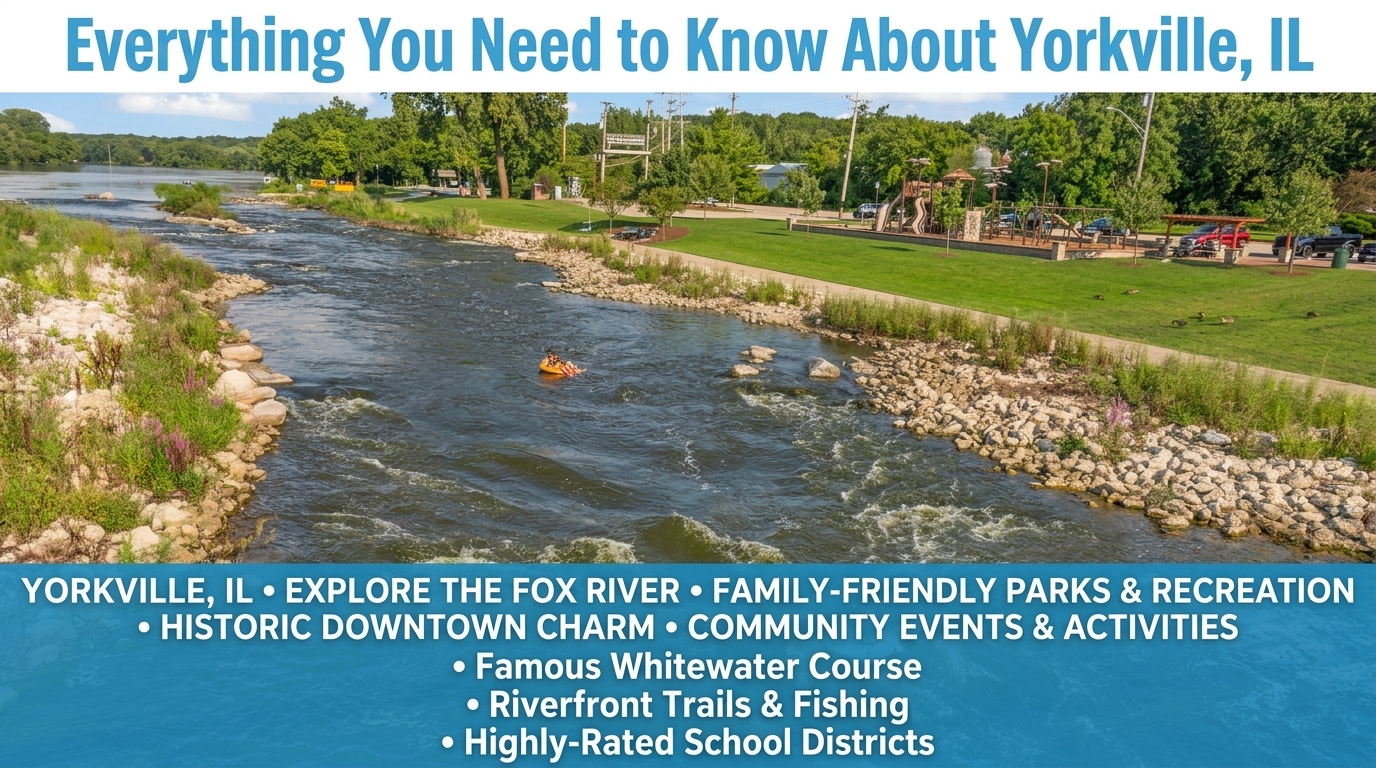
Yorkville
Yorkville combines small-town charm with steady growth, offering newer neighborhoods, scenic Fox River recreation, parks, shopping, and community events. Its balance of open space and expanding amenities makes it an attractive option for buyers seeking more room while staying connected to the western suburbs.
IL • Kane/Kendall COUNTY
Montgomery
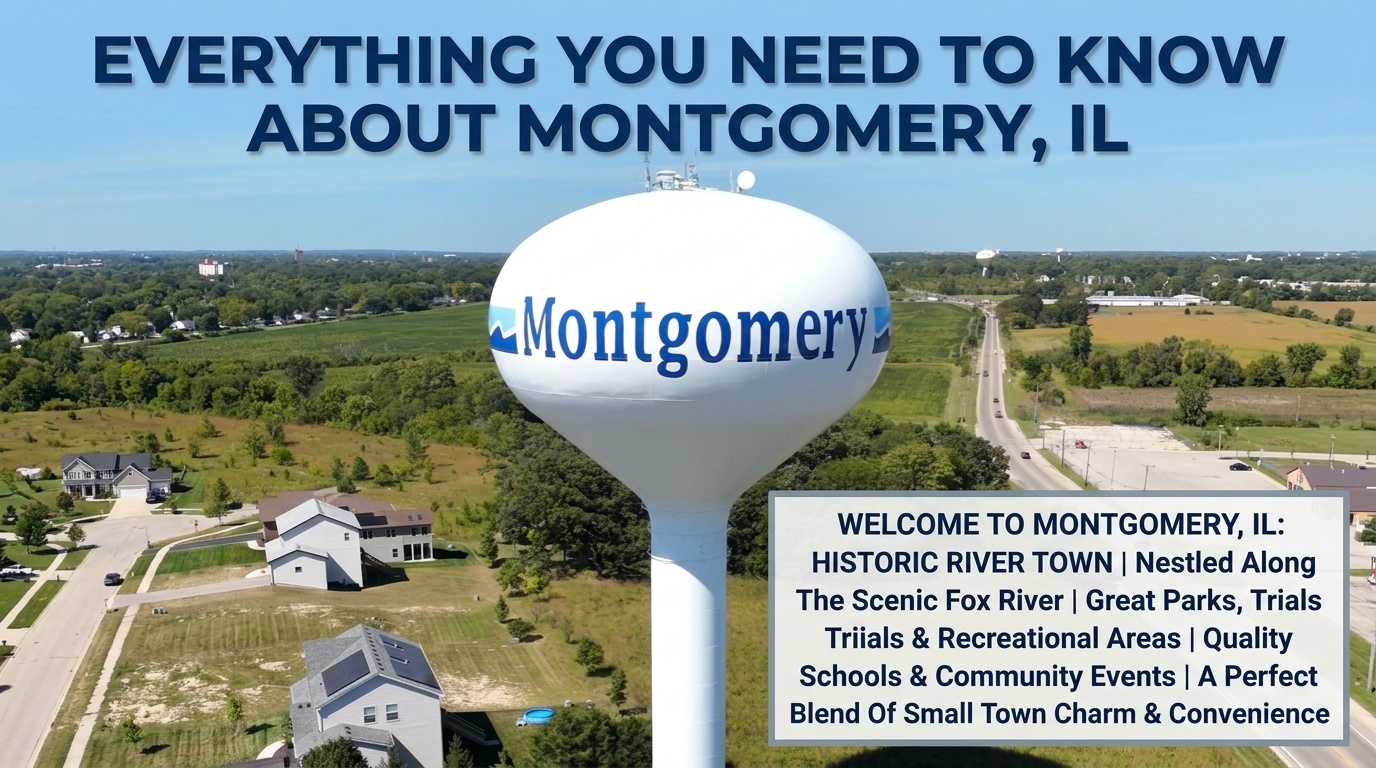
Montgomery offers a welcoming suburban atmosphere along the Fox River, with established neighborhoods, growing development, parks, trails, and convenient shopping. Its location near Aurora provides easy access to employment, entertainment, and major transportation routes while maintaining a comfortable community feel.
IL • Will COUNTY
New Lenox
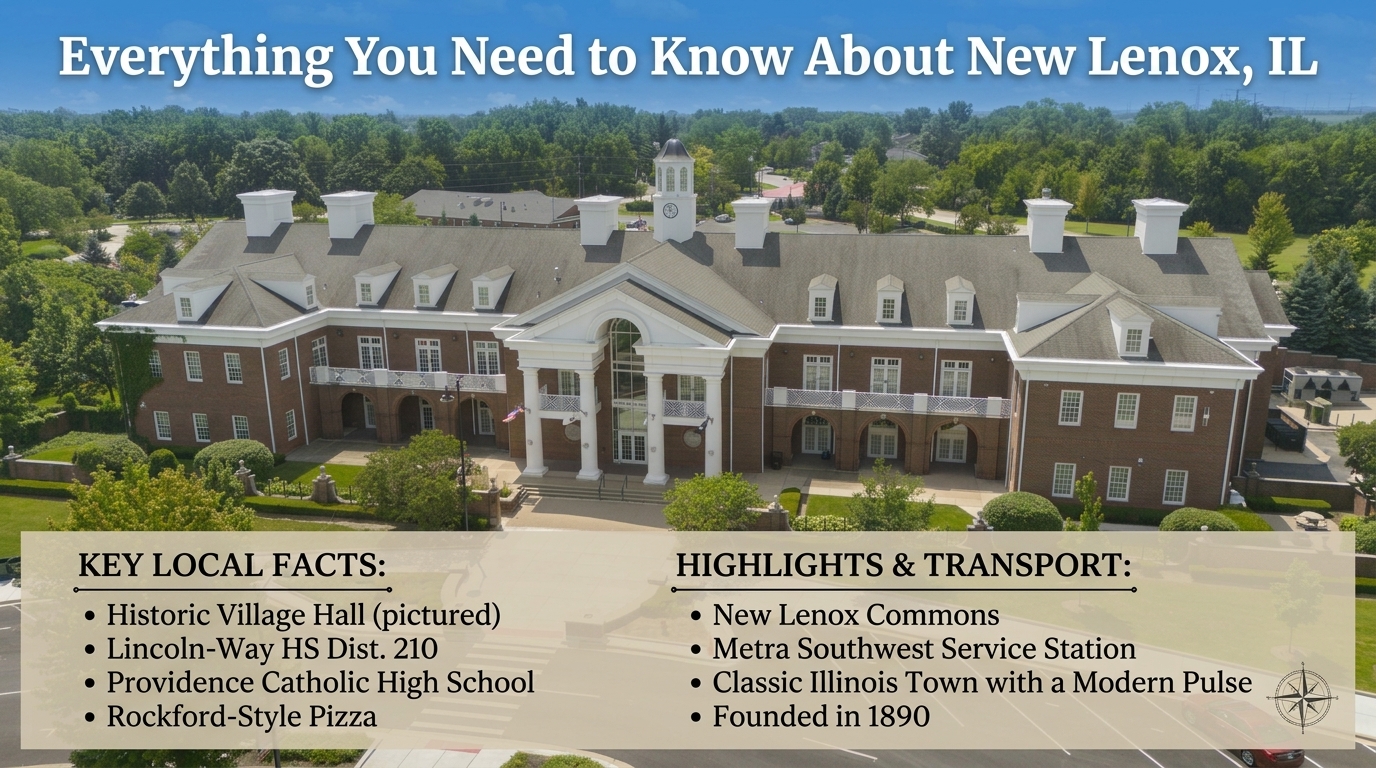
New Lenox combines suburban convenience with a strong community identity, featuring attractive neighborhoods, parks, local events, shopping, and highly regarded recreational amenities. With access to I-80, Metra service, and nearby employment centers, it remains a popular choice for Chicagoland commuters and families.
IL • Will COUNTY
Channahon
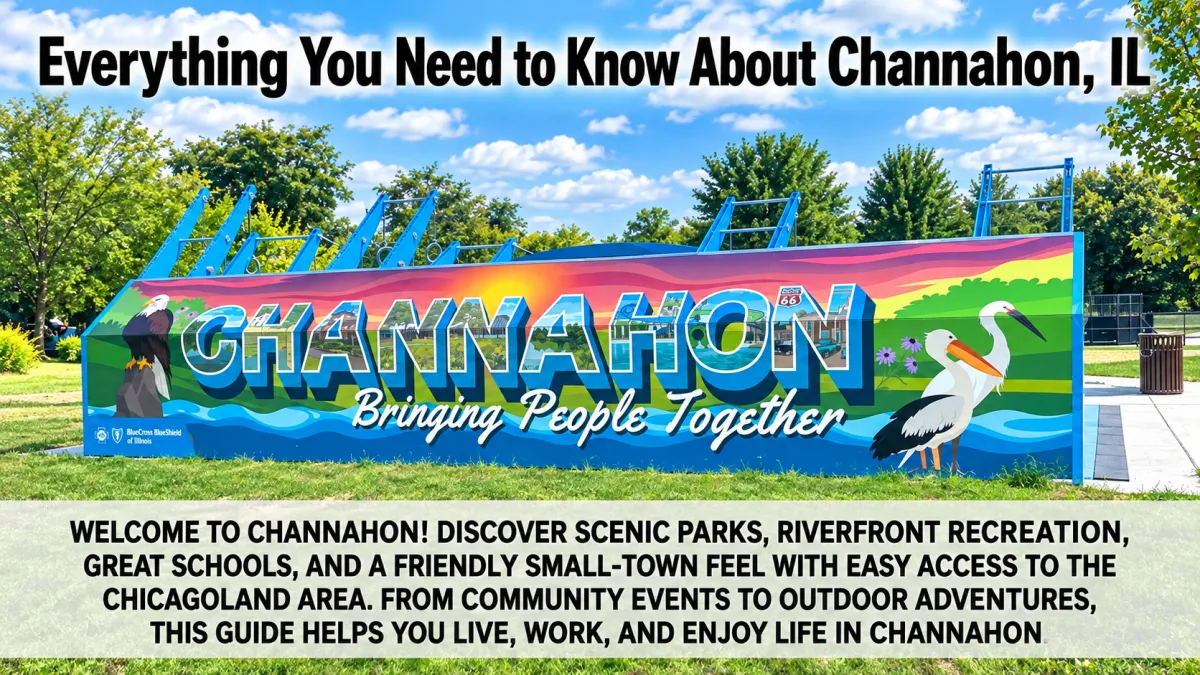
Channahon offers a relaxed small-town feel surrounded by parks, waterways, and outdoor recreation near the Des Plaines and DuPage rivers. Growing neighborhoods, community events, and convenient access to I-55 and I-80 make it an appealing option for southwest suburban living.
IL • Grundy COUNTY
Minooka
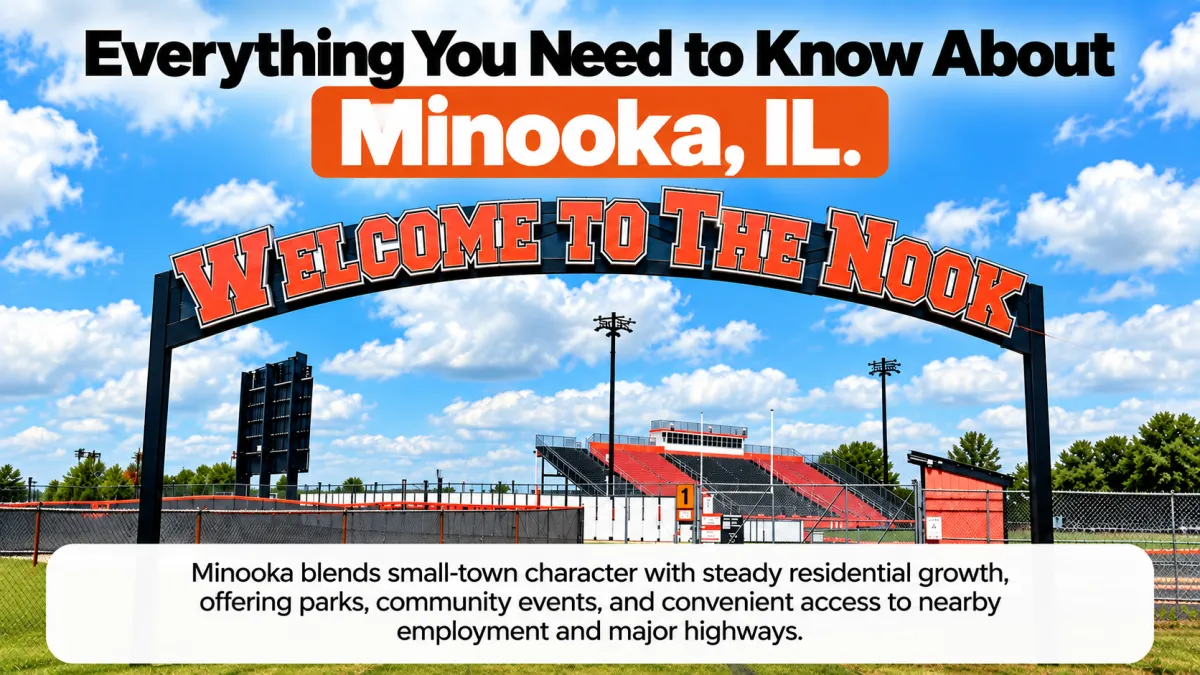
Minooka blends small-town character with steady residential growth, offering newer neighborhoods, parks, community activities, and convenient access to surrounding employment centers. Located near I-80, the community provides easy regional travel while maintaining a quieter atmosphere than many larger Chicago suburbs.
IL • Will COUNTY
Crest Hill
Crest Hill offers affordable suburban living with established neighborhoods, convenient shopping, parks, and easy access to Joliet and nearby employment centers. Its location near I-55 and I-80 makes commuting throughout Will County and the greater Chicagoland area convenient.
Indiana
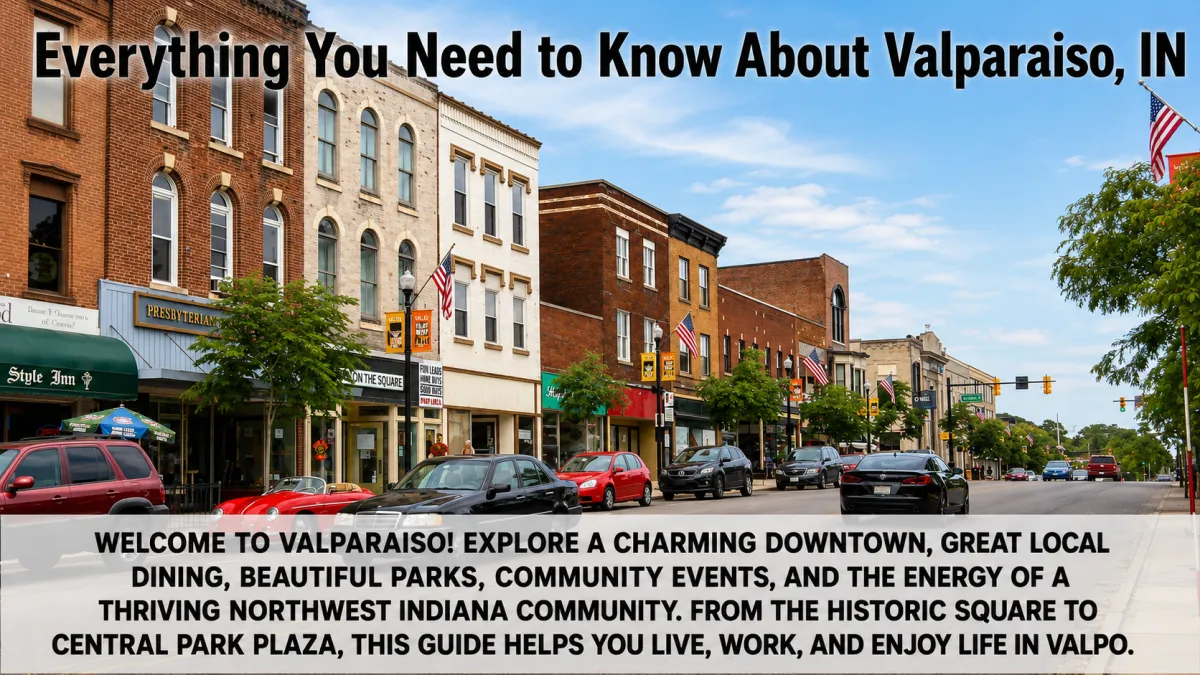
IN • Porter COUNTY
Valparaiso
The Porter County seat, with a university, a downtown square that anchors the city's dining and events, and a broad range of housing from historic near-campus homes to newer construction on the outskirts.
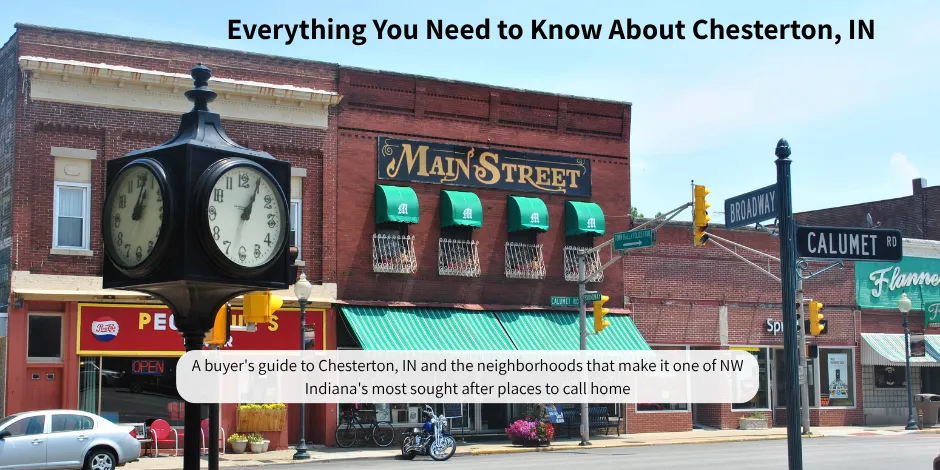
IN • Porter COUNTY
Chesterton
A Duneland community at the edge of Indiana Dunes National Park, with a walkable downtown, the long-running European Market, and housing that ranges from older in-town homes to newer subdivisions south of the highway.
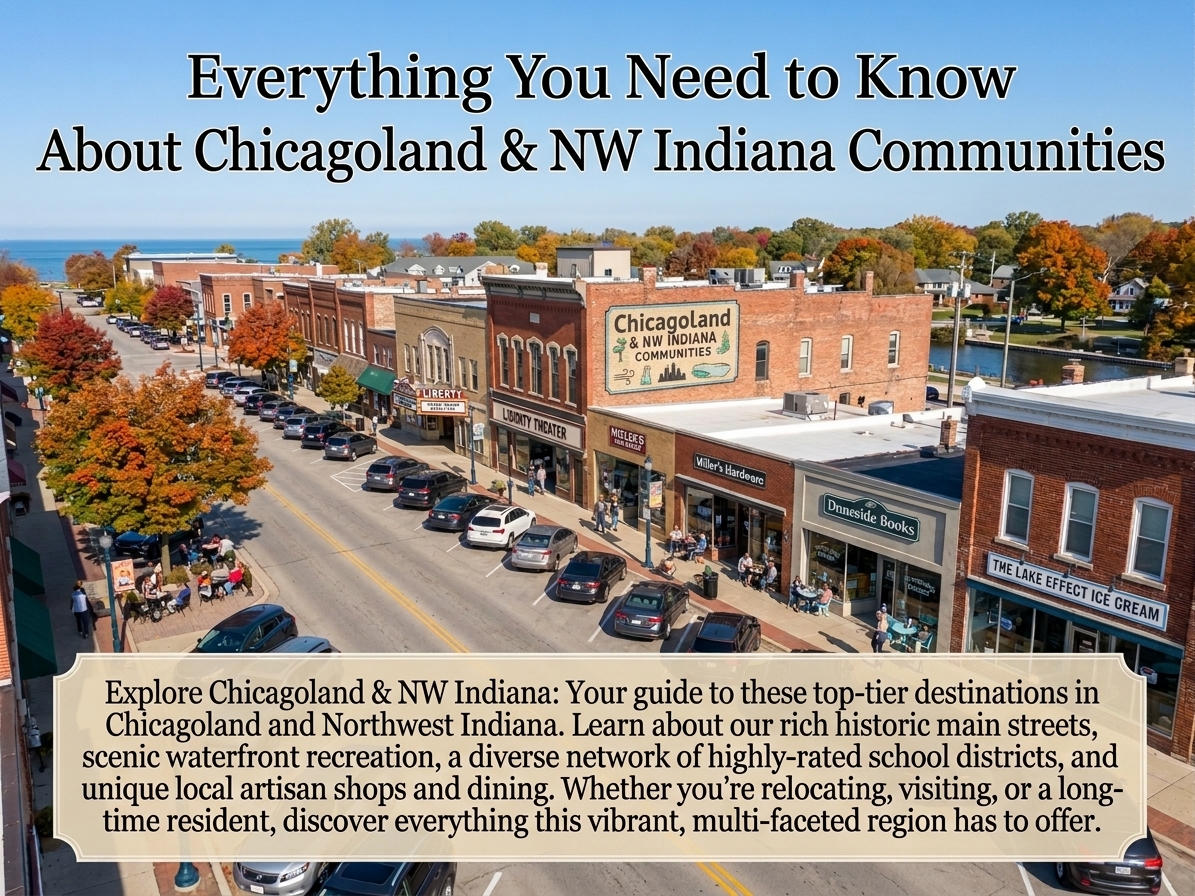
IN • Porter COUNTY
Portage
A lakefront community with direct Lake Michigan access at the Portage Lakefront and Riverwalk, generally more accessible price points than its Porter County neighbors, and quick access to I-94 and the Toll Road.
IN • Lake COUNTY
Hammond
The Indiana community closest to Chicago, sitting directly on the state line, with predominantly early- and mid-20th-century housing stock and some of the more accessible price points in the region. Purdue University Northwest, Wolf Lake, and the lakefront sit within city limits.
IN • Lake COUNTY
Highland
A compact Lake County town with a walkable Main Street district, Wicker Memorial Park along its northern edge, and the Erie Lackawanna Trail running through it. Housing is predominantly mid-century detached single-family on modest lots, with generally accessible price points for the area.
IN • Lake COUNTY
Munster
A Lake County community along Ridge Road near the Illinois line, with Community Hospital, Centennial Park, and the Monon Trail running through it. Housing is largely mid-century and later detached single-family. Two new South Shore stations opened here in March 2026
IN • Lake COUNTY
Schererville
A Lake County community close to the Illinois line, with substantial retail along US 30 and 41, established subdivisions, and one of the shorter drives into the south suburbs and the city.
IN • Lake COUNTY
Merrillville
A central Lake County community at the crossroads of I-65 and US 30, with the region's largest retail concentration and housing spanning several decades of construction.
IN • Lake COUNTY
Crown Point
The Lake County seat, built around a historic courthouse square, with steady newer construction on its edges and a mix of established in-town housing.
IN • Lake COUNTY
Hobart
A Lake County city built around Lake George, with a downtown on the lakefront and Deep River County Park nearby. Housing ranges from older in-town construction near the lake to newer subdivisions on the south and east sides, spanning a wide price range.
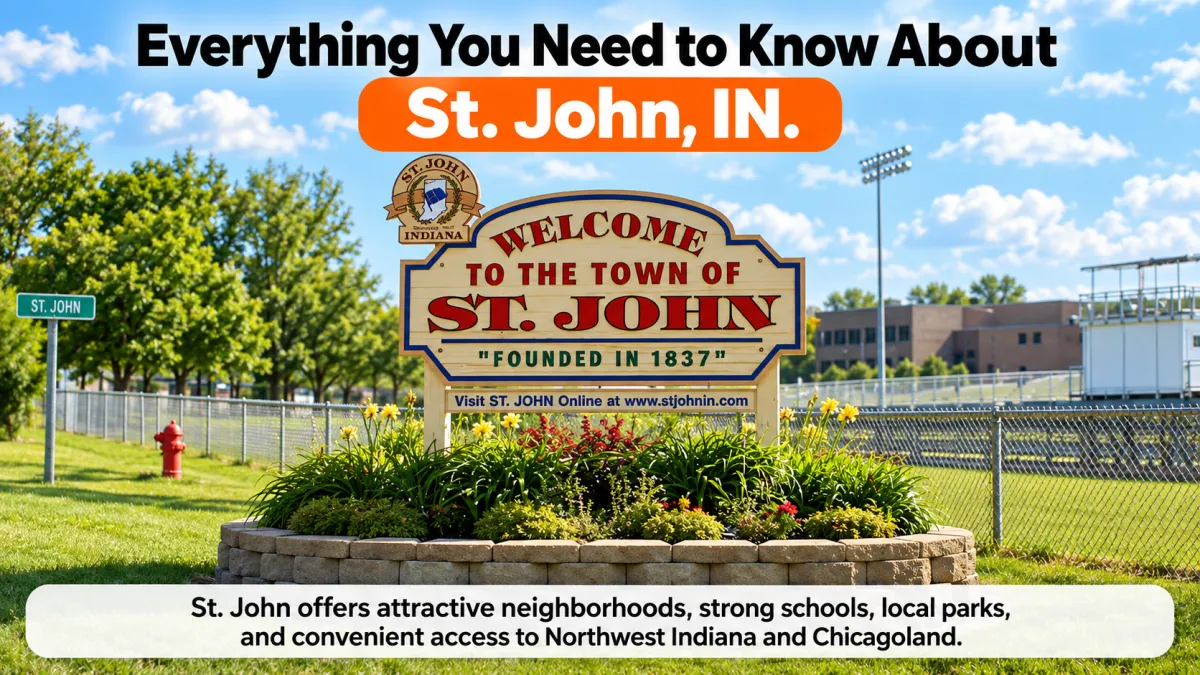
IN • Lake COUNTY
St John
One of the faster-growing towns in Lake County, with a housing stock weighted heavily toward newer construction and larger detached homes. Development runs along the US 41 corridor, with substantial subdivision growth over the past two decades and continued building activity.
IN • La Porte COUNTY
Michigan City
A Lake Michigan lakefront city with Washington Park, the beach and lighthouse, the Uptown Arts District, and Lighthouse Place Premium Outlets. Housing spans a wide range, from lakefront and near-beach property to established in-town neighborhoods well inland. South Shore travel times have improved with the Double Track project.
IN • La Porte COUNTY
La Porte
The La Porte County seat, built around a chain of lakes including Pine Lake, Stone Lake, and Clear Lake, with a courthouse square and a Lincolnway downtown. Housing runs from historic in-town construction to lakefront property, with generally accessible price points compared with the lakefront communities to the north.
IN • Lake COUNTY
Dyer
A Lake County town on the Illinois line along the US 30 corridor, with a mix of established subdivisions and newer construction. The southern terminus of the South Shore's new Monon Corridor sits at the Munster/Dyer border, and an Amtrak station sits roughly half a mile south.
IN • Porter COUNTY
Ogden Dunes
A small lakefront town of roughly a thousand residents built into wooded dunes on Lake Michigan, surrounded on three sides by Indiana Dunes National Park. Homes sit on irregular hillside lots with a private beach for residents. Inventory is limited by the town's size, and listings are infrequent.
Why Buyers & Sellers Choose Constellation Home Sales | Freedom Group Global
Dual-state licensing is not a marketing line here — it is the difference between seeing half the inventory and seeing all of it. Steve Roake and Kimberly have written contracts on both sides of the state line for more than two decades, operating as Constellation Home Sales | Freedom Group Global under Keller Williams Preferred Realty.
Steve Roake
Broker · Licensed in Illinois & IndianaSteve has worked the Chicago South and West suburbs and Northwest Indiana since 2003, with particular care for clients navigating a major life transition — an inherited property, a divorce, or a relocation — where the sale is one part of something larger.
Kimberly Genovese
Broker · Northwest IndianaKimberly has worked Northwest Indiana since 2004. Together with Steve, she helps buyers and sellers compare both sides of the state line honestly, rather than steering toward whichever market the agent happens to know best.
Every guide on this site is written from transactions closed in these towns — not assembled from public data alone.
Exclusive Access
Not Sure Which
Town Fits?
Tell us what you need — the commute, the price range, the school structure, how much land. He will send back three or four communities worth looking at and what homes actually cost in each. No obligation, and no follow-up you did not ask for.
- Priority access to new community listings
- Exclusive off-market regional insights
- Direct contact with local market experts
Request Information
Complete the form below to unlock full access to the Premier Community Guide.
CLARITY BEFORE YOU COMMIT
Frequently Asked Questions
What areas does Constellation Home Sales | Freedom Group Global Serve?
Will, Kendall, Grundy, DuPage, and Cook counties in Illinois, and Lake, Porter, and La Porte counties in Indiana. We also serve areas throughout the US, Canada, Mexico and beyond through our networkd of connected real estate agents.
Can one agent handle a purchase in Illinois and a sale in Indiana ?
Yes, when that agent is licensed in both states. Steve is. That matters most for buyers who are genuinely open on the state line, since an agent licensed on one side only can search one MLS and will naturally steer toward the inventory they can see.
Are there specific environmental or regional disclosures I need to sign?
Depending on the location, there may be specific disclosures regarding lead paint, radon, flood zones, seasonal weather patterns, or local zoning laws. Your dedicated agent will provide and explain all required documentation for your specific target area.
How do taxes differ in Illinois and Indiana?
Indiana applies constitutional caps to property tax bills as a percentage of assessed value. Illinois does not, and rates vary between taxing districts within a single county. The practical difference on a specific address can be significant, so verify with the county assessor rather than relying on a general rule.
Which town should I look in?
That depends on your commute, your price range, the school structure you need, and how much land you want. The comparison section above narrows it by structure. For a conversation about your specific situation, call or text 630-912-9129.
How often are these guides updated?
Each guide is reviewed and refreshed quarterly. Market figures inside them carry a "current as of" date so you can see how recent the numbers are. Some areas of each page may be automated and "live" updates.
Do you work with buyers and sellers?
Yes, across the full service area. Steve and Kimberly also work regularly with homeowners in transition — settling an estate, divorce, downsizing, or a job relocation — where the sale is one part of something larger.
© Copyright 2026. Constellation Home Sales | Freedom Group Global. All rights reserved.
Social


Services
Contact Us
Open Hours:
Hours of Operation: 8am - 8pm CST
Phone Number: 630-912-9129
Email address: [email protected]
Keller Williams Preferred Realty
Address:
16101 S 108th Ave, Orland Park IL 60467