Empty Home or Vacant Lot in Will County? Stop Seller Fraud
How do you stop someone from selling your vacant Will County property without you?
Sign up for your county's free property fraud alert, which every Illinois county must offer under Public Act 104-382 as of January 1, 2026, and add your attorney or agent as an extra alert recipient. Keep your mailing address current on your tax records, have someone you trust check the property, and insist that any sale runs through verified Illinois real estate attorneys on both sides. Those steps make the parcel owner impersonation scheme the FBI warned about in June 2026 far harder to pull off on your land or empty house.
By the Constellation Home Sales Team | November 27, 2026
If you own a lot in Will County you've never built on, an inherited house in Joliet that's sitting empty while the estate settles, or a rental in Plainfield between tenants, you own exactly the kind of property fraudsters are targeting right now.
On June 16, 2026, the FBI's Internet Crime Complaint Center issued a public service announcement (Alert I-061626-PSA) titled "Protect Your Property from Illegal Sales Through Parcel Owner Impersonation." It describes criminals who pose as the owner of a vacant parcel, hire a real agent and a real title company, and sell the land out from under the actual owner.
Here's the good news. Illinois gave owners new tools this year, and an attorney-closing state has more checkpoints than most. You just have to use them before you need them.
How Seller Impersonation Fraud Works on Empty Property
The FBI breaks the scheme into three phases. Once you see how it runs, the defenses make a lot more sense.
Research. The scammer pulls your name and parcel from public county records, data brokers, phishing, or stolen data. They look for property with no one living there and an owner who isn't around to notice.
Impersonation. They create a fake ID, a new email account, and a VoIP phone number in your name. Then they contact a listing agent and a title company, draft a contract, and sometimes back it up with a fictitious deed. The ask is almost always the same: sell fast, often below market value.
Cash out. They sign remotely, steer the proceeds to an account they control (the FBI notes some schemes route funds to a co-conspirator attorney in another state), and disappear.
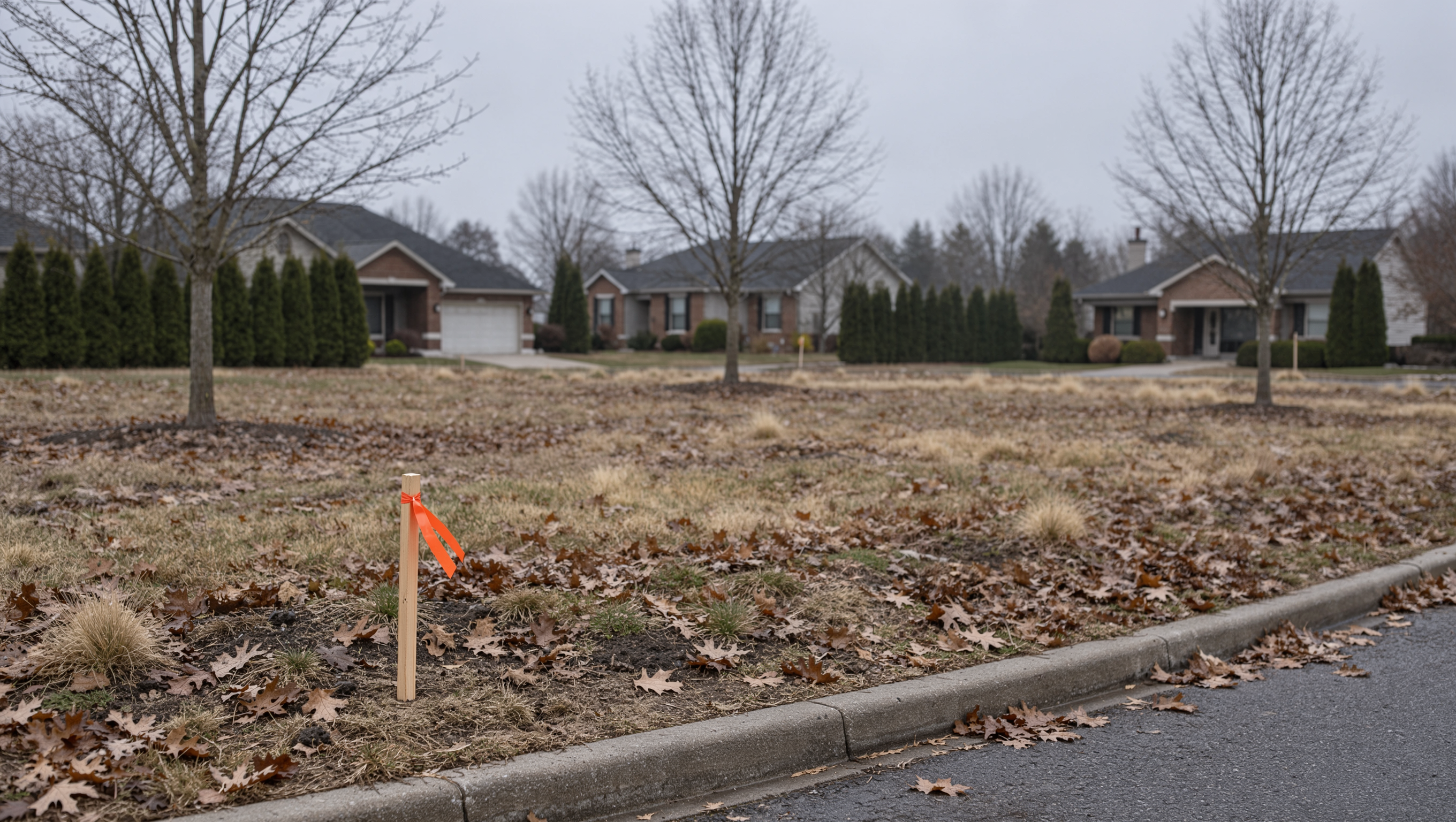
Vacant land and empty homes are the easiest targets because there's no one on site to see a yard sign or a surveyor, and often no mortgage lender watching the title. Many real owners only find out when a builder shows up or a tax bill arrives in someone else's name.
The scale is real. The Illinois Attorney General's home title theft fact sheet cites 9,359 real estate and rental fraud complaints in 2024, with more than $173.6 million in losses.
In Chicago's southwest suburbs, the owners we'd put on alert first are:
Owners of vacant lots in growing areas like Plainfield, Minooka, Yorkville, Shorewood, and New Lenox
Heirs holding an empty house while probate runs
Out-of-state owners of a rental or second property in Will, Cook, DuPage, Kendall, or Grundy County
Anyone who moved out of a paid-off home and hasn't sold it yet
What Illinois Changed in 2026, and How to Use It
Senate Bill 1523 became Public Act 104-382, effective January 1, 2026. It amended the Illinois Counties Code to give owners three new protections.
A fraud alert in every county. The law says "every county shall establish and maintain a property fraud alert system." Once you register, you're notified when a document is recorded under your name.
Professionals can register for you. A licensed agent, attorney, closing agent, or title agent can file the registration on your behalf, and you can list up to three additional people to receive alerts. Registration is optional, so it only protects owners who actually sign up.
More muscle against fake deeds. County recorders run a fraud referral and review process and may send a suspect deed to an administrative law judge. The law also gives the rightful owner a private cause of action against the person who filed the fraudulent deed.
Where you sign up depends on your county. The Will County Recorder offers a free Property Fraud Alert with notices by email or phone. In Cook County, registration runs through the county's own recording system. Most other Illinois counties use propertyfraudalert.com, so confirm the current sign-up method with your county recorder.
Know the limit, too. An alert tells you after something records. It doesn't stop a closing on its own, and the Attorney General's office warns that clearing a fraudulent recording can mean petitioning the court at your own expense. The same fact sheet also tells owners to skip paid "title lock" services, calling them "notification services, not insurance." The county alert does the same job for free.
A 15-minute protection checklist for empty property
Register for your county's fraud alert and add your attorney or agent as an extra recipient.
Confirm the mailing address on your property tax bill is current. This also matters at closing, where taxes get prorated (our guide to Will County tax proration at closing explains the credit sellers give).
Ask a neighbor or property manager to call you about any sign, lockbox, or survey stake you didn't authorize.
Search your own address online every few weeks for listings you didn't create.
Keep your owner's title insurance policy, and know which company issued it.
Look up your recorded documents on the recorder's website once a year.
Selling for Real? How an Illinois Closing Should Verify You
If you're the real owner and you're ready to sell that lot or empty house, expect extra verification. That's a good sign, not a hassle.
Here's what a careful sale looks like in Illinois:
Identity checks up front. We verify identity in person or by live video with a valid ID, and we ask about details only the owner would know, such as the survey, the parcel number, and past tax bills.
An attorney on each side. Illinois closings are attorney-run, and the attorney review period (typically five business days after contract signing) gives both attorneys time to confirm who they're dealing with. Use it.
Wire instructions confirmed by voice. Your attorney or the title company should confirm payoff and proceeds instructions by phone at a number you already know, never from an email.
Remote signing done right. If you live out of state, expect a properly notarized signing. The FBI lists deeds notarized in a foreign country as a red flag.
Buying land? The same PSA gives buyers a simple step: send a certified letter to the owner's address on the property tax record to confirm the seller is who they claim to be. And once your new home is your primary residence, remember to file your Will County homestead exemption.
Red flags that should stop a deal
Whether you're the agent, the buyer, or the owner watching your own parcel, the FBI's warning signs are worth memorizing:
The "seller" communicates only by email, text, or VoIP and won't meet in person or on live video
Pressure to close quickly, often at a price below market value
Little knowledge of the property, or no survey or tax information
Requests to wire proceeds to an international account or one in an unrelated name
A deed or signature notarized in a foreign country
If you're selling an empty house this winter, verification doesn't have to slow you down. Our guide to selling a home fast in Will County this winter covers pricing and prep that keep a vacant listing moving.
Frequently Asked Questions
Is the Will County property fraud alert free?
Yes. The Will County Recorder offers its Property Fraud Alert as a free service, with notices by email or phone when a document is recorded in your name. Under Public Act 104-382, every Illinois county must now maintain a fraud alert system.
Can someone sell my vacant land in Illinois without my signature?
They can try by impersonating you with a fake ID, a new email, and a VoIP number, which is the scheme the FBI described in June 2026. Illinois attorney-run closings, identity checks, and a county fraud alert make it much harder. If it happens, contact a real estate attorney right away.
Does a fraud alert stop a fraudulent sale?
No. An alert notifies you after a document records, so you can act fast. It works best paired with prevention: a current mailing address, someone checking the property, and an agent and attorney who verify identity before listing.
What should I do if I get an alert about a deed I didn't sign?
Get a copy of the recorded document, call a real estate attorney, notify your title insurer, and file a report with local police and at ic3.gov. Ask the recorder about its fraud referral and review process. Don't contact the person who filed it.
Protect It Now, Sell It Safely Later
An empty house or a vacant lot is easiest to protect before anyone tries to sell it without you. A free county alert, a current mailing address, and a sale run through verified attorneys close most of the gaps this scheme depends on.
If you own an empty home or a vacant lot anywhere in Chicago's southwest suburbs, text or call 630-912-9129 and we'll look up what's recorded on your parcel with you, get your fraud alert set up, and map out a verified, attorney-run sale for whenever you're ready.
About the Constellation Home Sales Team
The Constellation Home Sales Team — Steve Roake and Kimberly Genovese — has closed more than 615 transactions worth over $113 million across Chicago's southwest suburbs and Northwest Indiana. Licensed since 2003 and operating under Keller Williams Preferred Realty, the team specializes in probate and estate sales, expired listings, negotiation, and divorce and life-transition sales, with a track record of selling homes at 101% of list price against a 97.7% MLS-wide average. Connect with the team at freedomgroupglobal.com or 630-912-9129.


