Selling Inherited Property in Illinois: Probate Guide
Real Estate, Illinois Probate, Inherited Property
Selling an Inherited House in Illinois: Probate Explained
Inheriting a home in Illinois can feel overwhelming, especially when probate, court documents, and deadlines collide with grief. Understanding how the probate process works—and how it affects a home sale—can help you move forward with fewer surprises and fewer delays.

Simplifying Your Illinois Inherited Home Sale
What you need to know about probate, paperwork, and timelines
The Basics: How Probate Works When You Inherit a House in Illinois
Probate is the court process used to prove a will (if there is one), identify heirs, pay debts and taxes, and transfer assets under the Illinois Probate Act of 1975 (ILCS). When a person dies owning real estate in their name alone, that property usually must pass through probate before it can be sold or transferred, unless it was arranged to pass outside probate (for example, through a trust or joint tenancy).
The typical Illinois probate sequence includes:
Filing the will (if any) and a petition to open probate in the county where the deceased lived.
Having an executor or administrator appointed and given authority by the court.
Notifying heirs and creditors and compiling an inventory of assets, including the house.
Paying valid debts and taxes, then distributing remaining assets and closing the estate.
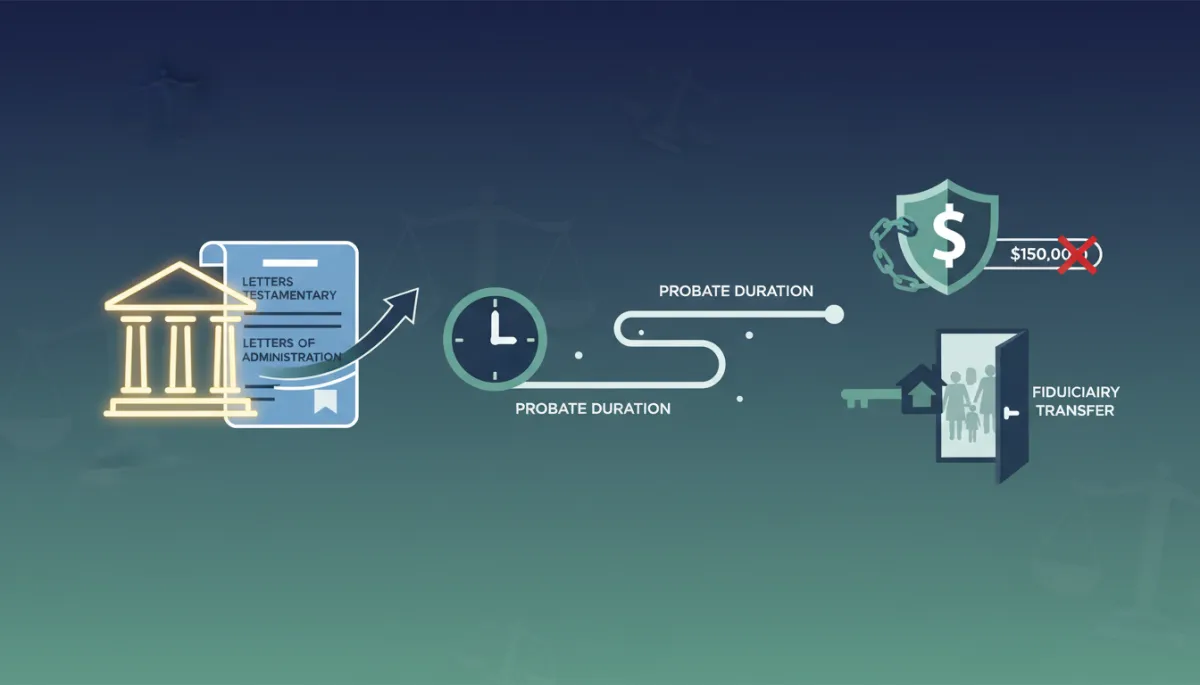
Key Probate Documents: Letters Testamentary and Letters of Administration
To sell an inherited house during probate, buyers and title companies will expect to see court documents showing who is legally in charge of the estate. In Illinois, those documents are:
Letters Testamentary: Issued when there is a valid will that names an executor. These “letters” are a court order authorizing that executor to act for the estate, including signing a listing agreement, contract, and deed (Cook County Probate Division).
Letters of Administration: Issued when there is no will, or the will does not name an executor. The court appoints an administrator, who receives similar authority to manage and sell estate property under Illinois intestacy rules (Illinois Legal Aid Online).
Without one of these sets of “letters,” the person handling the estate generally cannot complete a valid sale of the home on behalf of the estate.
Independent vs. Supervised Estate Administration: Why It Matters for a Sale
Illinois recognizes two main types of probate administration, and the difference can significantly affect how quickly and easily you can sell an inherited house:
Independent administration: The default in many cases. Once appointed, the executor or administrator can handle most tasks—including listing and selling real estate—without asking the court for approval at every step, as long as they follow the Probate Act and keep beneficiaries informed. This often means fewer hearings and a smoother sale process.
Supervised administration: The court closely oversees the estate. The representative may need court permission before selling the house, approving contracts, or distributing proceeds. This added oversight can protect heirs but may lengthen the timeline and add legal fees.
📌 Key Takeaway: If your estate is in supervised administration, build extra time into your sale timeline for court approvals and hearings.
How Probate Duration Affects Your Home Sale Timeline
Even in a relatively straightforward case, Illinois probate often takes several months or longer. Creditors typically have a period to file claims, and the representative must gather information, resolve debts, and coordinate with heirs. These steps can affect when you can list and close on the property:
You can sometimes list the property soon after Letters Testamentary or Letters of Administration are issued, particularly under independent administration, but closing may be delayed until certain court or creditor issues are resolved.
In supervised estates, a judge may need to approve the sale terms, which can add weeks to the process if hearing dates are limited.

Court timelines, creditor claims, and approvals often dictate when an inherited home can close.
The $150,000 Myth: Why Real Estate Often Still Requires Probate
Illinois allows a simplified procedure (often using a small estate affidavit) when the total personal estate is under $100,000–$150,000, depending on context. Many people assume this threshold means they can skip probate entirely, even for real estate. That is not accurate.
The small-estate shortcuts generally apply to personal property, like bank accounts and vehicles—not to real estate titled solely in the decedent’s name. If the deceased owned a house only in their name, probate is usually required to transfer marketable title, even if the rest of the estate is modest in value. Buyers and title companies typically insist on proper probate documentation before closing.
Fiduciary Transfers and Seller Disclosure Exemptions
Illinois’ Residential Real Property Disclosure Act (765 ILCS 77) normally requires sellers to provide a written disclosure report about known material defects before a contract is signed (ILCS). However, Section 15 of the Act lists several exemptions, including transfers made by fiduciaries such as executors, administrators, trustees, guardians, or conservators as part of estate or trust administration.
That means if you are selling the house as an executor or administrator, you are typically exempt from providing the standard seller disclosure form for that fiduciary transfer (765 ILCS 77/15). Even though disclosures may not be required, many fiduciaries still share any known, significant issues in good faith to avoid disputes later and to maintain buyer confidence.
Don’t Overlook Transfer Taxes and Required Forms
Exemption from seller disclosures does not mean you are exempt from Illinois transfer tax requirements. In most sales, someone—often the seller—must file a Real Estate Transfer Tax Declaration (Form PTAX‑203) and pay any applicable state and local transfer taxes (Illinois Department of Revenue). For certain transfers of beneficial interests, a supplemental PTAX‑203‑B may also be needed.
Understanding who pays these taxes, how they’re calculated, and whether your estate qualifies for any exemptions can prevent last-minute surprises at closing. Your closing attorney or title company will usually prepare the forms, but the estate representative is responsible for signing and ensuring accuracy.
Typical Steps When Selling an Inherited Home Through Probate
Open the probate estate and obtain Letters Testamentary or Letters of Administration from the court.
Confirm your authority to sell under independent or supervised administration and review any will provisions about the property.
Hire professionals such as a real estate agent familiar with estate sales, and possibly an attorney if you don’t already have one guiding the probate.
Prepare the property by securing the home, cleaning, making sensible repairs, and ordering a market analysis or appraisal.
List the property and negotiate offers, keeping heirs informed and, in supervised cases, seeking court approval if required.
Sign the contract and closing documents in your capacity as executor or administrator, not personally, and complete PTAX‑203 transfer tax forms.
Deposit sale proceeds into the estate account, then use them to pay remaining debts, taxes, and finally distribute to heirs before closing the estate.
Do You Need a Lawyer to Sell an Inherited House in Illinois?
Illinois does not require every estate to hire an attorney, but probate and real estate law are technical, and mistakes can be costly. A lawyer can:
Guide you through opening the estate, obtaining Letters Testamentary or Letters of Administration, and choosing independent or supervised administration.
Draft or review the contract, handle court motions for sale approval (if needed), and coordinate with the title company and buyer’s counsel.
Help you navigate creditor claims, tax questions, and disputes among heirs that might otherwise derail the sale.
💡 Pro Tip: Even if the estate is small, a brief consultation with an Illinois probate attorney can confirm whether you can proceed with a sale and what steps to take next.
When the Property Passes Outside Probate: How the Process Changes
Not every inherited home goes through probate. If the property was owned in a living trust, held as joint tenants with right of survivorship, in a transfer-on-death instrument (TODI), or in some other non-probate arrangement, the process can look different:
Title may pass directly to the surviving co-owner, trust beneficiary, or TODI beneficiary without opening a probate estate for the real estate itself (Nolo).
The new owner then sells the property in their own name, following the usual Illinois rules for disclosures (unless another exemption applies), transfer taxes, and closing procedures.
You may avoid probate delays, but you still need to clear any liens, handle tax obligations, and coordinate among multiple new owners if there are several beneficiaries.
Even when probate isn’t required for the house, legal advice can be valuable in confirming that title is properly vested and that you are complying with Illinois disclosure and transfer tax requirements.
Moving Forward with Confidence
Selling an inherited house in Illinois touches multiple areas of law: probate, real estate, taxes, and sometimes trust or estate planning. By understanding how probate works, what your Letters Testamentary or Letters of Administration allow you to do, and how independent versus supervised administration affects your decisions, you can better plan your timeline and avoid roadblocks. Combine that knowledge with clear guidance on disclosure exemptions for fiduciaries and transfer tax obligations, and you’ll be in a much stronger position to complete a smooth, timely sale that honors your loved one’s legacy.
