
Sell Inherited House in Probate: NW Indiana Guide
Real Estate, Probate, Northwest Indiana
How to Sell an Inherited House in Northwest Indiana While It Is Still in Probate
Can You Sell an Inherited House in Indiana Before Probate Closes?
Yes, in most cases. Once an Indiana probate court appoints you as personal representative and issues Letters Testamentary or Letters of Administration, you can list and sell the house even while the rest of the estate is still working through probate. You will not have legal authority to sign a listing agreement or a purchase contract before that appointment happens, and full probate in Lake, Porter, and La Porte counties typically runs six to twelve months, so the appointment is usually the first real milestone, not the last.
By the Constellation Home Sales Team | July 25, 2026
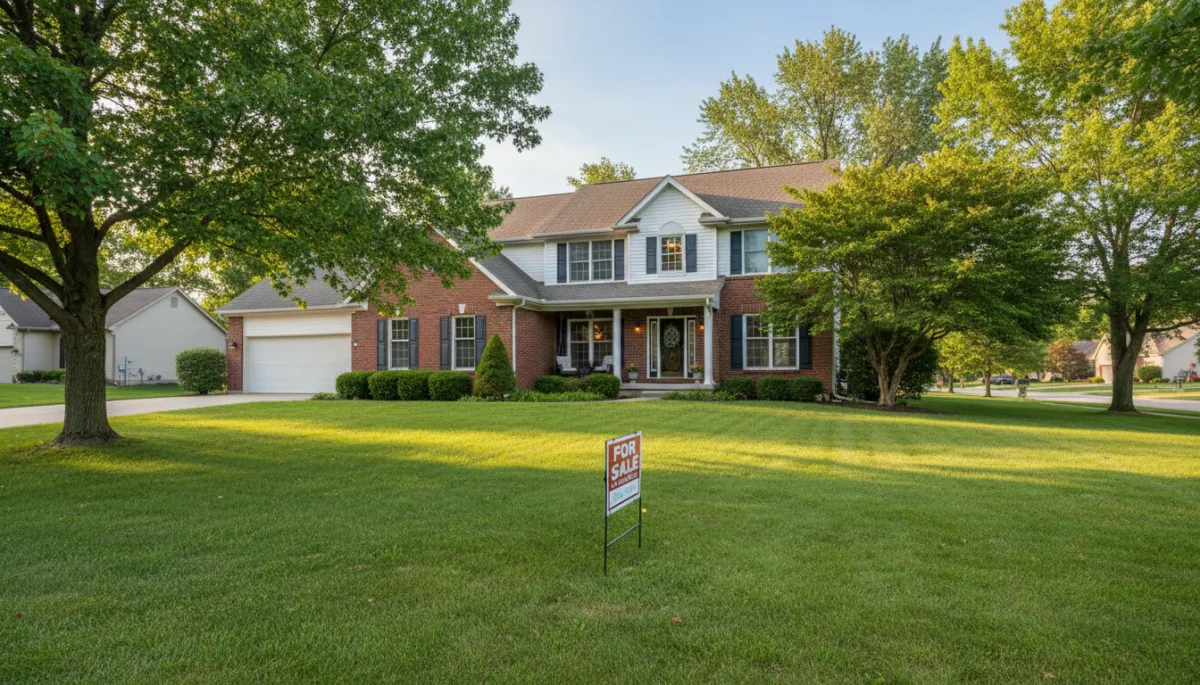
Selling an Inherited Home During Probate
Practical guidance for Northwest Indiana heirs
1. Understanding Probate and When You Can Sell the House
In Indiana, probate is the court‑supervised process for transferring a deceased person’s assets to heirs and paying valid debts. A house located in Northwest Indiana (Lake, Porter, or La Porte counties) is usually part of the probate estate unless it passes by a non‑probate transfer, such as a transfer‑on‑death deed, joint tenancy with right of survivorship, or a living trust. Selling the property while probate is open is possible, but only after the court has appointed a personal representative and granted legal authority through “Letters” (Letters Testamentary or Letters of Administration).
The key concept is that the estate—not the heirs individually—owns the house during probate. That means an heir cannot simply sign a listing agreement or purchase agreement on their own. The personal representative acts on behalf of the estate, subject to Indiana law and any court supervision requirements.
2. Process for Being Appointed Personal Representative in Indiana
The first major step toward selling an inherited house in probate is obtaining appointment as the estate’s personal representative (also called an executor in a will, or administrator if there is no will). Indiana’s probate framework is set out in Indiana Code Title 29, but each county has its own local procedures and forms. Below is a general outline, with emphasis on Lake County’s current practices, which are similar in Porter and La Porte Counties.
Consult and retain an Indiana probate attorney. In Lake County, the probate court requires that personal representatives be represented by a licensed Indiana attorney throughout the proceedings. Porter and La Porte Counties also strongly encourage or effectively require attorney representation for formal estates. Your attorney will review the will (if any), identify heirs, and determine whether a full probate or small‑estate procedure is appropriate.
File the initial petition to open the estate. Your attorney files a Petition for Probate of Will and Issuance of Letters Testamentary (if there is a will) or a Petition for Appointment of Personal Representative (if there is no will). This is filed in the county where the decedent resided—Lake, Porter, or La Porte. The petition typically includes:
Certified death certificate
Original will (if one exists)
Basic information about heirs and assets, including the house
Comply with local court requirements. In Lake County’s Probate Division, for example, the court requires a Personal Representative’s Information Sheet and signed Instructions to the Personal Representative before issuing Letters. Local rules are strict about forms, deadlines, and proposed orders, so missing paperwork can delay your appointment.
Notice and hearing. The court may schedule a brief hearing, usually 2–4 weeks after filing, to confirm the will’s validity (if applicable) and to appoint the personal representative. In uncontested cases, the court may approve the petition without an in‑person hearing, depending on the county’s practice and the judge’s preference.
Issuance of Letters and bond. Once appointed, the court issues Letters Testamentary or Letters of Administration, which formally grant the personal representative legal authority to act. The court may require a bond unless it is waived by the will or by written agreement of all heirs. The amount depends on the estate’s size and risk factors.
Only after these steps are completed does the personal representative have the authority needed to sign listing agreements, accept offers, and ultimately close a sale on the inherited house, subject to any required court approvals.
3. Probate Timelines in Lake, Porter, and La Porte Counties
While every estate is unique, understanding typical timelines in Northwest Indiana helps you plan the sale of the property and manage carrying costs such as taxes and utilities.
Lake County Probate Timeline (Crown Point)
Lake County’s Probate Division, located in Crown Point, follows a structured process:
Initial filing to appointment: Typically 2–4 weeks from filing the petition to issuance of Letters, assuming paperwork is complete and there are no objections (based on 2026 practice data).
Inventory and appraisal: For supervised estates, an inventory of assets, including the home, must be filed within 60 days of appointment.
Creditor claim period: Creditors have 3 months and 15 days after first published notice to file claims. This period often sets a minimum realistic timeframe for fully closing the estate, even if the house sells earlier.
Overall duration: Simple, uncontested estates often take 6–9 months; average cases run 9–12 months, and complex or disputed estates can exceed one year, especially if there are conflicts among heirs or difficult assets to value.
Porter and La Porte Counties: Comparable Timeframes with Local Nuances
Porter County (Valparaiso) and La Porte County generally follow Indiana’s statewide probate framework. Timelines are often similar to Lake County:
Appointment within a few weeks of filing if documents are complete and uncontested.
Inventories commonly due within 60 days in supervised estates.
Creditor claim periods of approximately 3–4 months from first publication.
In all three counties, the house can typically be listed and even sold before the estate is fully closed, provided the personal representative has authority and, when required, court approval. Closing the sale does not necessarily mean probate is over; it simply converts the real estate into cash that the personal representative will later distribute after debts and taxes are resolved.
📌 Key Takeaway: Expect 6–12 months for most Northwest Indiana probates. The home may be sold during this period, but the estate usually remains open until creditor deadlines pass and final accounting is approved.
4. Legal Authority to Sell the Inherited House During Probate
The personal representative’s authority to sell the property comes from two sources: Indiana law and the court’s orders. When the court issues Letters Testamentary or Administration, the personal representative gains broad power to manage estate assets, including real estate, subject to any limitations in the will or court orders.
In many unsupervised estates, the personal representative may sell real estate without a separate court order, as long as the sale is consistent with the will and the personal representative acts in the best interests of the estate. In supervised estates, or when the will restricts sales, the court may require a petition to sell real estate and approval of the proposed sale terms. Your probate attorney will advise whether court approval is needed in your specific case.
💡 Practical Tip: Real estate agents and buyers will usually request a copy of the Letters and, if applicable, the court’s order authorizing the sale. Having these documents ready helps avoid delays at closing.
5. Costs Involved in Selling an Inherited Probate Property
Selling an inherited house in Indiana involves both probate‑related costs and typical real estate transaction expenses. Understanding these helps heirs decide whether to sell quickly “as‑is” or invest in repairs for a higher sale price.
Probate Court and Legal Costs
Court filing fees: Opening an estate in Lake County typically costs around $177–$205, plus optional sheriff’s service fees if needed. Porter and La Porte Counties are in a similar range.
Publication costs: Notices to creditors must be published in a local newspaper, often costing $100–$200 depending on the publication and length of notice.
Attorney fees: Probate attorneys in Northwest Indiana may charge hourly or flat fees based on estate complexity. In supervised estates, fee petitions must often be itemized and approved by the court.
Property‑Related Carrying Costs: Taxes, Insurance, and Upkeep
While probate is pending, the estate remains responsible for ongoing expenses tied to the house. These costs can significantly impact how urgently the personal representative and heirs want to sell:
Property taxes: Indiana property taxes are due twice a year. Any unpaid taxes become a lien on the property and must be paid at or before closing. Delinquent taxes can lead to tax sale proceedings if ignored.
Homeowners insurance: The policy may need to be converted to an estate or vacant‑property policy. Lapses in coverage can expose the estate to significant risk if damage occurs before closing.
Utilities and basic maintenance: Heat, electricity, lawn care, snow removal, and basic repairs are needed to prevent deterioration and maintain marketability, especially during Northwest Indiana winters.
Transaction Costs: Preparing and Closing the Sale
Real estate commissions: Listing with a real estate agent typically involves a commission of about 5–6% of the sale price, shared between the listing and buyer’s agents.
Repairs and improvements: Depending on the home’s condition, the estate may choose between selling “as‑is” to an investor or making repairs (roof, HVAC, paint, flooring) to attract traditional buyers and higher offers. These costs come out of the estate and should be weighed against expected price increases.
Appraisal or market analysis: A formal appraisal or comparative market analysis helps set a realistic listing price and may be required for probate inventory or tax purposes.
Closing costs: Title insurance, recording fees, and other standard closing expenses will be paid from sale proceeds. Indiana does not currently impose a state inheritance tax, but federal estate tax can apply in very large estates.

Early planning around taxes and upkeep can preserve more equity for heirs.
6. Key Decisions Heirs Need to Make About the Property
Even though the personal representative has formal authority, major decisions about the house are often made in consultation with the heirs. Addressing these questions early can prevent disagreements and delays:
Sell, rent, or keep? Some heirs may want to sell quickly to access cash, while others may prefer to keep the home as a rental or family residence. The will’s instructions, the estate’s liquidity needs, and the cost of maintaining the property all factor into this decision.
As‑is sale vs. repairs. Investing in repairs can increase the sale price but also extends the timeline and increases carrying costs. Heirs should weigh the likely return on each dollar spent on improvements, especially in older Northwest Indiana homes that may need significant updates.
Who will manage day‑to‑day property issues? Someone needs to check the property regularly, coordinate contractors, and handle showings. Often this falls to the local heir or the personal representative, with reimbursement from the estate for reasonable expenses.
How will personal items be handled? Clearing out decades of belongings can be emotionally and logistically challenging. Decisions about keepsakes, donations, estate sales, and junk removal should be made before listing.
7. Common Issues: Heir Disagreements and Property Condition
Heir Disagreements Over Selling the House
Disputes among siblings or other heirs are one of the most frequent reasons probate drags on in Lake, Porter, and La Porte Counties. Typical points of conflict include:
One heir wants to keep the house, while others want to sell and divide proceeds.
Disagreements over listing price, acceptable offers, and repair budgets.
Concerns about whether the personal representative is being fair or transparent.
While the personal representative ultimately has decision‑making authority, they also owe a fiduciary duty to all heirs. Documenting decisions, sharing market data from local agents, and, when necessary, involving the court can help resolve stalemates. In extreme cases, the court may need to approve or compel a sale to protect the estate’s value.
Property Condition and Code Issues
Many inherited homes in Northwest Indiana are older properties that may have been deferred in maintenance for years. Common issues include outdated electrical systems, roof leaks, basement moisture, and environmental concerns such as mold or asbestos. Local municipalities may also issue code violation notices if the property is not maintained, which become additional estate obligations.
A pre‑listing inspection can help the personal representative and heirs decide whether to:
Make targeted repairs to appeal to retail buyers; or
Disclose issues and sell “as‑is” to an investor or cash buyer at a discount, reducing risk of inspection‑related cancellations later.
8. Capital Gains Tax on the Sale of an Inherited House
One of the most common financial questions is whether heirs will owe capital gains tax when the inherited home is sold. Under federal tax law, inherited property typically receives a “stepped‑up basis”—its cost basis is adjusted to the fair market value on the date of death (or an alternate valuation date if elected by the estate).
For example, if a house in Valparaiso was worth $250,000 at the date of death and the estate sells it for $260,000 a few months later, the taxable capital gain would generally be about $10,000 (minus selling costs), not the entire increase since the original purchase decades ago. Because of this step‑up, many estates and heirs face minimal capital gains tax when selling soon after death, although larger gains can arise if the property appreciates significantly before sale or if major improvements are made.
Indiana currently follows federal rules and does not impose an additional state capital gains tax. However, tax situations can be complex, especially when multiple heirs receive sale proceeds. Consulting with a tax professional or estate attorney is recommended before distributing funds.
9. Do You Need a Real Estate Attorney in Addition to a Probate Attorney?
In Lake County, a probate attorney is mandatory for formal estates. In Porter and La Porte Counties, retaining a probate attorney is strongly advisable. Whether you also need a separate real estate attorney depends on your circumstances:
Many probate attorneys in Northwest Indiana are experienced in real estate closings and can review purchase agreements, title commitments, and closing documents as part of their probate representation.
In more complex sales—such as selling to a family member, resolving title defects, or addressing boundary or easement disputes—a dedicated real estate attorney may be appropriate, sometimes working alongside the probate attorney.
At minimum, the personal representative should ensure that an attorney—probate, real estate, or both—reviews the purchase agreement and closing package to confirm that the estate’s interests are protected and that court orders, if required, are properly incorporated into the transaction.
10. Indiana Sales Disclosure Form and Other Required Seller Documents
Indiana requires sellers of residential real estate to complete a standard Sales Disclosure Form (also called a Seller’s Residential Real Estate Sales Disclosure). This form provides information about known defects and conditions of the property, including roof, foundation, plumbing, electrical, and environmental issues. Even in a probate sale, the estate is generally expected to complete this form in good faith based on the personal representative’s knowledge and available records.
In addition to the Sales Disclosure Form, a typical probate sale will involve:
A listing agreement with the real estate broker, signed by the personal representative in their official capacity.
A purchase agreement clearly identifying the seller as “Estate of [Decedent], by [Name], Personal Representative.”
Title work and closing documents reflecting the probate case number and, if needed, the court’s order authorizing the sale.
📌 Key Takeaway: Honest, thorough completion of the Indiana Sales Disclosure Form is essential. It protects the estate from later disputes and helps buyers understand the property’s condition.
11. Frequently Asked Questions for Northwest Indiana Heirs
Do All Heirs Have to Agree to Sell the House?
Not necessarily. The personal representative has legal authority to manage and sell estate property, even if some heirs disagree, as long as they act in the estate’s best interests and comply with the will and court orders. However, strong opposition from heirs can lead to objections, hearings, and delays. Courts in Lake, Porter, and La Porte Counties generally prefer that major decisions, like selling the family home, be made with as much heir consensus as possible, but they will ultimately focus on what is fair and consistent with Indiana law and the will’s instructions.
How Long Will Probate Take if We Plan to Sell the House?
For many estates in Northwest Indiana, you can expect probate to last 6–12 months. The house may be listed and sold during that time, sometimes within the first few months after appointment of the personal representative. The estate, however, typically remains open until creditor claim periods expire, tax returns are filed, and the court approves the final accounting. Complex estates or ongoing disputes can push the duration beyond a year.
Will We Owe Capital Gains Tax on the Sale?
Possibly, but the impact is often less than families fear because of the stepped‑up basis rule. Capital gains tax generally applies only to the difference between the stepped‑up value at death and the sale price (minus selling costs). Indiana does not add a separate state capital gains tax. That said, every situation is different, and consulting a tax advisor is prudent, especially if the property has appreciated significantly or if the estate holds multiple properties.
Do We Really Need a Probate Attorney to Sell the House?
In Lake County, yes—the court requires personal representatives to be represented by an Indiana attorney in formal probate matters. In Porter and La Porte Counties, legal representation is strongly recommended. The sale of a probate property involves court rules, creditor rights, tax issues, and title requirements that are difficult to navigate without legal guidance. An experienced probate attorney can help you avoid costly mistakes, such as unauthorized sales or improper distribution of sale proceeds.
What Is the Indiana Sales Disclosure Form and Why Is It Important?
The Sales Disclosure Form is a state‑mandated document that informs buyers about known conditions and defects in the property. Even in an estate sale, the personal representative must complete it honestly based on available knowledge. Failing to disclose known problems can lead to disputes or even litigation after closing. Completing the form thoroughly, and attaching inspection reports or repair invoices when appropriate, helps buyers make informed decisions and protects the estate from later claims.
12. Final Thoughts: Protecting the Estate and Reducing Stress
Selling an inherited house in Northwest Indiana while it is still in probate is entirely achievable, but it requires careful coordination among the personal representative, heirs, attorney, and real estate professionals. By understanding the appointment process, local probate timelines in Lake, Porter, and La Porte Counties, and the financial and legal responsibilities tied to the property, you can make informed decisions that preserve value and honor your loved one’s legacy.
If you are facing an estate sale, consider taking the following steps:
Speak with an Indiana probate attorney early to clarify your role and authority.
Gather key documents—will, deed, tax bills, insurance, and any prior inspections or repair records.
Have an honest conversation with co‑heirs about goals, timelines, and expectations for the property.
Work with a local real estate professional familiar with probate sales in Lake, Porter, or La Porte County.
With the right information and team, you can move through probate and the sale process in a professional, organized way—maximizing the estate’s value while minimizing conflict and uncertainty for everyone involved.
