Impact of Amazon on Orland Park Home Values
Real Estate, Orland Park, Amazon Development
Will Orland Park's New Amazon Development Raise Home Values?
A new Amazon retail store is coming to 159th and LaGrange in Orland Park, and many nearby homeowners are wondering what it will mean for their property values, taxes, and timing if they plan to move in the next few years.
Amazon Is Coming to 159th & LaGrange
What the new retail store could mean for nearby home values
What Exactly Is Being Built at 159th & LaGrange?
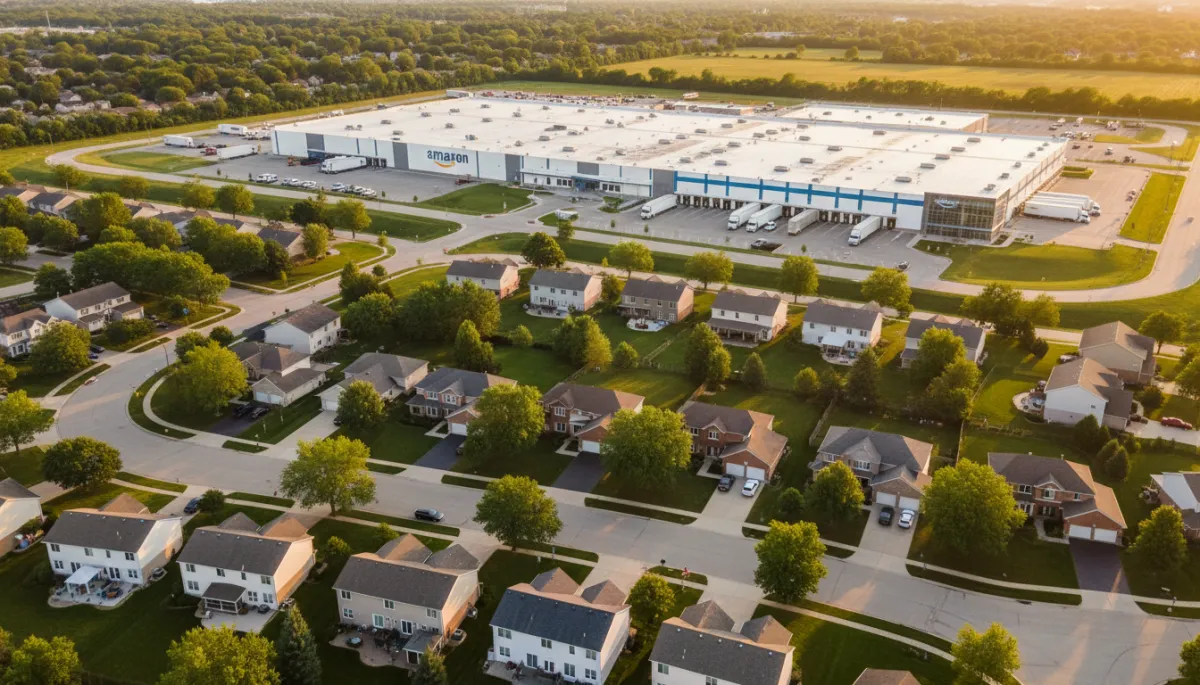
The Village of Orland Park has approved a major Amazon retail development for the southwest corner of 159th Street and LaGrange Road, on roughly 35 acres that once included the Petey’s II restaurant site (orlandpark.org). This is planned as a single-story, approximately 230,000‑square‑foot store that will be open to the public and sell groceries, household goods, and general merchandise.
One key point for nearby residents: this project is a large-format retail store, not a warehouse or fulfillment center. While there will be some back‑of‑house storage for the store’s own operations, the village approvals and public documents clearly describe it as a brick‑and‑mortar shopping destination rather than a distribution hub (orlandpark.org).
Size, Purpose, Jobs, and Construction Timeline
Amazon purchased the site in early 2026 for about $21.5 million, after the Orland Park Plan Commission recommended approval on January 6, 2026, and the Village Board voted 5–2 in favor on January 19, 2026 (orlandpark.legistar.com). The project also includes roadway work such as extending Ravinia Avenue to LaGrange Road, new turn lanes, and access improvements along 159th and LaGrange.
According to the village’s budget and project summaries, the road and infrastructure improvements are expected to wrap up by the end of 2026, with the Amazon retail store anticipated to open in 2027 (orlandpark.org). During construction, the development is projected to create around 200 construction jobs, and once the store opens, roughly 500 permanent retail positions are expected, many likely filled by residents from Orland Park and surrounding communities.
How Developments Like This Affect Home Values — in Phases
Large retail projects typically influence nearby housing in three broad phases. While every market is different, research on retail development and residential prices shows similar patterns in many suburbs (NAR; Forbes Real Estate Council).
Announcement & Early Construction (Now–2026): As news spreads and ground work begins, buyers and investors start to price in future convenience and jobs. Homes within a short drive of 159th and LaGrange may see gradual value bumps as long as construction impacts (noise, traffic, dust) are manageable. Some buyers, however, may wait for more certainty, which can keep prices from jumping all at once.
Opening & First Years of Operation (2027–2029): Once the store opens and the new traffic patterns settle in, the market gets clearer data: how busy the area really is, how long it takes to get in and out, and what the overall shopping experience feels like. If the site becomes a well‑run, well‑landscaped retail anchor with strong sales and stable employment, homes in nearby subdivisions often see stronger buyer demand thanks to the added convenience and perceived economic strength.
Long‑Term Stabilization (2030 and beyond): Over time, the Amazon store simply becomes “part of the neighborhood.” At that point, its presence is baked into local home values. Properties that are near, but not directly next to the site often benefit the most: close enough to enjoy shopping and jobs, far enough to avoid constant traffic and noise.
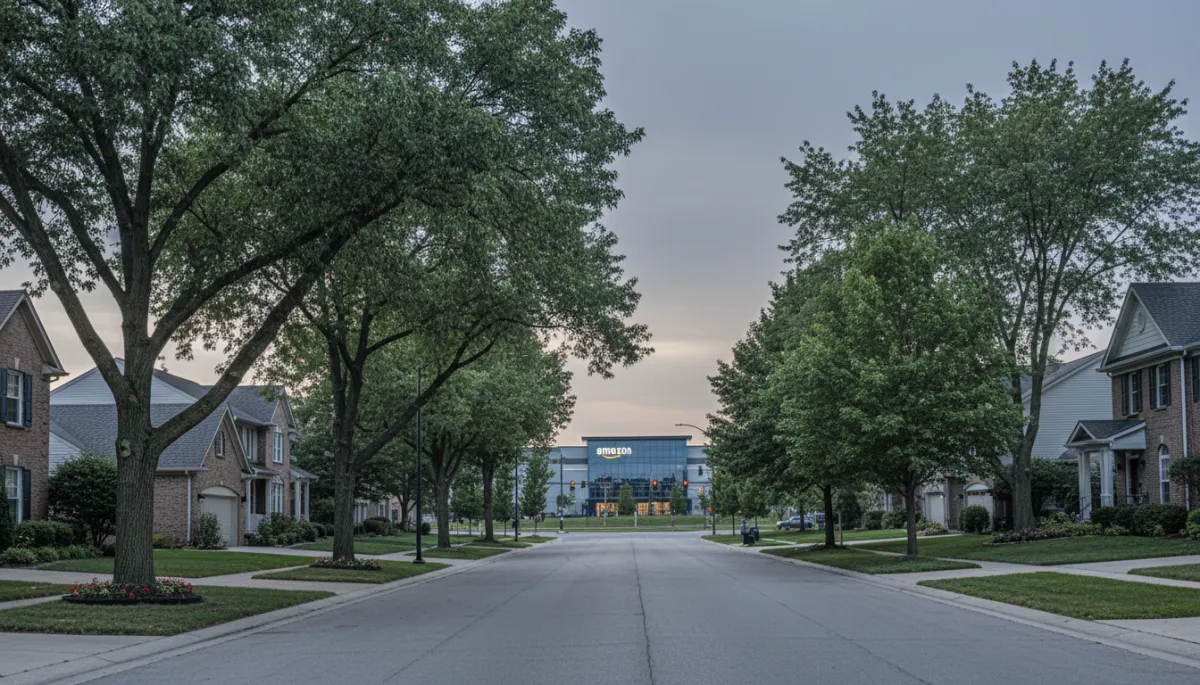
Homes a short drive from major retail typically gain more than those on the immediate edge.
The Role of Timing and Proximity
For homeowners, two factors matter most: when you plan to move and how close you are to the site.
Very close to the corner (within a few blocks or backing to 159th/LaGrange): You may experience more construction disruption through 2026 and heavier traffic afterward. If you’re thinking of selling soon and your home backs directly to busy roads, it could make sense to list before construction peaks or wait until a year or so after opening, once buyers can clearly see the finished product and landscaping.
Within a 5–10 minute drive: You’re likely to capture more of the convenience benefit and less of the day‑to‑day noise. Over the next several years, this area could become even more desirable for buyers who want easy access to shopping, dining, and jobs without living right on the commercial edge.
💡 Pro Tip: If you’re unsure about timing, ask a local agent to pull recent sales from similar homes slightly farther from the intersection and compare them to yours. That can reveal how buyers are already pricing in the Amazon project.
What About Property Taxes Near the Amazon Site?
The Amazon property itself is expected to receive a Cook County Class 7B tax incentive, which means it will be assessed at 10% of market value for the first 10 years, then 15% in year 11 and 20% in year 12, assuming it meets certain conditions (orlandpark.legistar.com). This incentive applies only to the Amazon parcel, not to surrounding homes.
For nearby homeowners, the bigger picture is that a successful Amazon store should generate significant sales and property tax revenue that helps pay for road work, utilities, and other public improvements along the 159th & LaGrange corridor (2026 Budget In Brief). Over time, a stronger commercial tax base can relieve some pressure on residential taxpayers, although that effect is indirect and unfolds over several years rather than overnight.
Advice for Homeowners: Sell Now, Wait, or Buy In?
Whether you’re thinking about selling or buying near the Amazon site, your strategy should line up with both the construction timeline and your distance from 159th and LaGrange.
If you plan to sell within 12–18 months: Consider listing before the most disruptive construction work or be prepared to highlight the future upside in your marketing: new jobs, infrastructure, and a major retail anchor. Buyers who understand the long‑term benefits may be more willing to look past short‑term inconvenience.
If you’re holding for several years: You may benefit from the second and third phases of value growth, once the store is open and the area stabilizes. Focus on maintaining your home’s condition so you’re ready to capture that demand when you do decide to move.
If you’re buying nearby: Look closely at traffic patterns, noise, and access during different times of day. Homes a bit removed from the intersection—yet still within a quick drive—often strike the best balance between convenience and neighborhood feel.
📌 Key Takeaway: The Amazon project is far more likely to support nearby home values than hurt them, especially for properties that are close enough to enjoy the convenience but not directly on the busiest corners.
The Bottom Line for Orland Park Homeowners
Orland Park’s new Amazon development at 159th and LaGrange is a major retail investment, bringing an estimated 500 permanent jobs, millions in future tax revenue, and upgraded infrastructure. It is not a warehouse, but a public‑facing store that should reinforce the village’s position as a regional shopping destination.
For homeowners, the impact on property values will likely unfold gradually and in phases, with timing and proximity playing key roles. If you’re considering a move—either buying into the area or selling a home nearby—pair this big‑picture view with local sales data and professional guidance so you can make a well‑timed decision that fits your long‑term plans.
