
Illinois Insurance Crisis: How Roof Age Affects Your Sale
Illinois Real Estate, Home Insurance, Roof Age
Illinois Insurance Crisis: How Roof Age Can Make or Break Your Home Sale
As Illinois heads toward stricter insurance standards in 2026, one detail is quietly derailing more home sales than ever: the age and condition of the roof. Understanding how the emerging “15-year rule” affects coverage, pricing, and underwriting can save both sellers and buyers from last‑minute deal disasters.
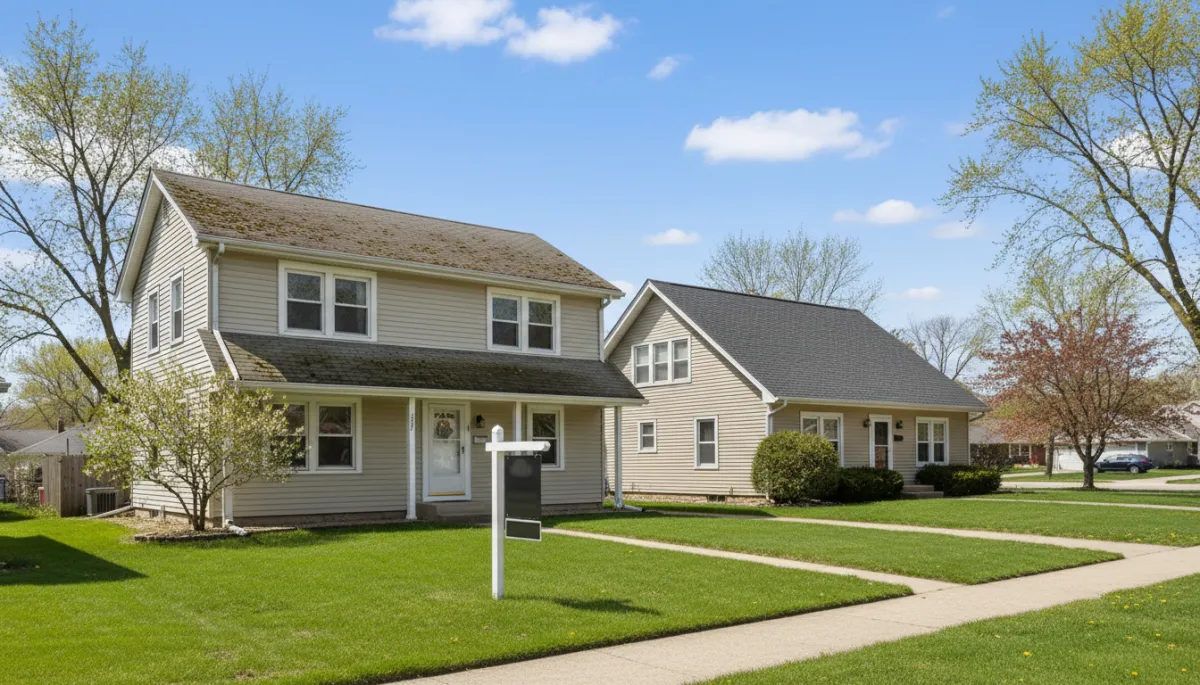
Is Your Roof Ready for 2026?
How insurance rules could impact your next Illinois home sale
What the “15-Year Rule” Means for Illinois Homeowners in 2026
Many insurers already treat roofs around the 15‑year mark as significantly higher risk, and that trend is expected to tighten in Illinois by 2026. While there is no single statewide statute labeled the “15‑year rule,” industry practice is converging around this benchmark:
Coverage may shift from replacement cost to actual cash value (ACV), meaning insurers depreciate the roof and pay far less on a claim for hail, wind, or storm damage (Insurance.com).
Some carriers may refuse new policies on homes with roofs 15 years or older, especially if condition is questionable (Forbes Advisor).
Premiums and deductibles are likely to rise for older roofs, particularly in weather‑exposed parts of Illinois (ValuePenguin).
By 2026, buyers trying to insure a home with a 16‑, 18‑, or 20‑year‑old roof may face limited options, higher costs, or outright denials. Deals that look solid on paper can suddenly collapse once the insurer weighs in.
How Roof Age Influences Insurance Underwriting in Illinois
Underwriting is the insurer’s risk‑scoring process, and roof age is one of the first things they look at. In Illinois, where hail, heavy snow, ice dams, and high winds are common, an older roof signals greater odds of leaks and claims. That can lead to:
Higher premiums for roofs over 15–20 years, especially if shingles are curling, granules are missing, or prior repairs are undocumented (ValuePenguin).
Coverage limitations, such as excluding cosmetic hail damage or capping payouts based on a depreciated value instead of full replacement cost.
Mandatory inspections by an adjuster or third‑party roofer before a policy is issued or renewed.
On the flip side, newer roofs—especially those built with impact‑resistant materials—can qualify for discounts and more favorable terms. Insurers see them as less likely to generate costly claims, so they are more willing to offer comprehensive replacement coverage at competitive rates.
How Sellers Can Prepare: Get Ahead of the Roof Question
For sellers, the roof is no longer a background detail—it is a central part of your sale strategy. If your roof is approaching or beyond 15 years old, take these steps months before you list:
Schedule a professional roof inspection early. A licensed Illinois roofing contractor, operating under the state’s Roofing Industry Licensing Act (225 ILCS 335), can document condition, remaining life, and any needed repairs.
Gather documentation. Collect permits, invoices for past roof work, warranty information, and photos. Organized records reassure both insurers and buyers that the roof has been properly maintained.
Address minor repairs now. Replacing missing shingles, sealing flashing, and correcting drainage can improve inspection outcomes and insurance quotes.
💡 Pro Tip: In your listing, note the roof’s age, material, and any recent repairs or certifications. Transparency builds trust and reduces renegotiation later.
Roof Certifications: A Simple Document with Big Negotiating Power
A roof certification is a written statement from a licensed roofing contractor that the roof is in acceptable condition and is expected to perform for a certain number of years—often two to five—assuming normal weather and maintenance. While Illinois does not issue separate licenses for roof inspectors, roofing contractors must be licensed under state law, and their certifications carry weight with insurers and buyers alike.
For a seller with a 17‑year‑old roof, a clean certification can:
Reassure buyers that replacement is not immediately necessary.
Help some insurers approve coverage that might otherwise be declined or limited.
Provide leverage to avoid large closing credits or price cuts solely due to roof age.
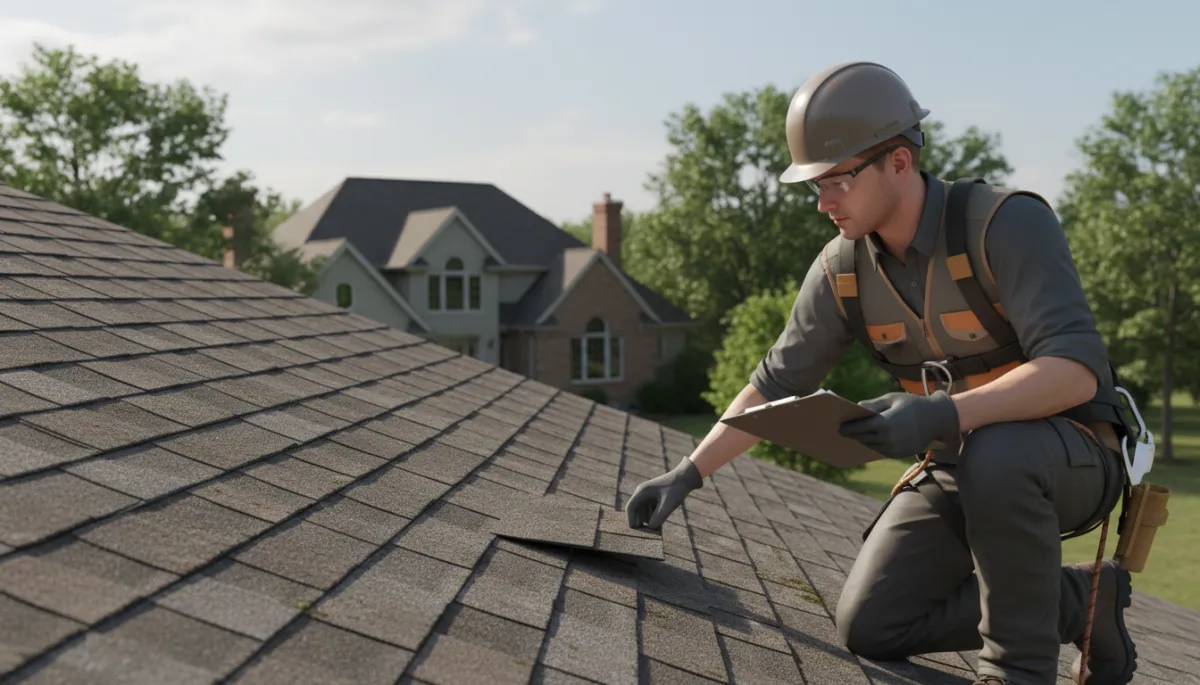
A written roof certification can calm insurer concerns and strengthen your negotiating position.
Pulling Insurance Quotes Before Listing: A New Best Practice
One of the smartest moves Illinois sellers can make in this environment is to obtain sample insurance quotes before the home hits the market. Work with an independent insurance agent to:
See which carriers are willing to insure a home with your roof’s age and material.
Estimate likely premiums and deductibles for a typical buyer profile.
Identify any red flags—such as a requirement to replace the roof within a year—that could spook buyers or lenders.
Sharing this information during showings or in your disclosure packet can reduce uncertainty, especially for first‑time buyers already stretched by rising interest rates and closing costs.
What Buyers Should Do: Insurance First, Not Last
Buyers in Illinois can no longer assume that if the bank approves the loan, insurance will be a formality. To avoid last‑minute surprises:
Ask the listing agent about roof age and documentation before submitting an offer. If the roof is near or over 15 years, treat insurance as a key part of your decision, not an afterthought.
Get preliminary insurance quotes during attorney review or inspection periods. Share the inspection report and any roof certification with your insurance agent so quotes reflect the true condition, not just the age.
Compare ACV vs. replacement cost coverage. A cheaper policy that only pays depreciated value on an older roof could leave you with a huge out‑of‑pocket bill after a storm.
Negotiating a Home Purchase When the Roof Is the Sticking Point
Roof‑related insurance issues do not have to kill a deal; they simply need to be managed thoughtfully. Common negotiation strategies include:
Seller repairs plus certification: The seller completes specified repairs by a licensed contractor and provides a fresh roof certification at closing.
Closing credit for future replacement: Instead of replacing the roof before closing, the seller offers a credit, and the buyer plans a full replacement later, potentially choosing upgraded materials that may earn insurance discounts.
Policy shopping and timing: Buyers work with an independent agent to identify carriers more flexible on older roofs, sometimes agreeing to a higher deductible in exchange for binding coverage.
📌 Key Takeaway: Put roof age, condition, and insurance options on the table early in negotiations. Surprises at underwriting time are what stall or sink deals.
Early Inspection and Documentation: Your Best Defense Against Deal Stalls
Whether you are selling or buying, the pattern is clear: the earlier you tackle the roof and insurance questions, the smoother your transaction will be. In practice, that means:
Pre‑listing roof inspections and certifications for sellers, with all paperwork ready to share.
Prompt buyer inspections and immediate communication with insurance agents, especially on homes with roofs 15 years or older.
Clear documentation of any repairs, including contractor invoices, permits, and photos, so underwriters can see the true risk.
As Illinois approaches 2026 and insurers lean harder on the 15‑year benchmark, roofs will continue to be a flashpoint in real estate deals. By planning ahead—inspecting early, documenting thoroughly, getting certifications, and pulling insurance quotes in advance—sellers and buyers can turn a potential crisis into a manageable part of the transaction, instead of a last‑minute deal breaker.
About the Constellation Home Sales Team
The Constellation Home Sales Team | Freedom Group Global— Steve Roake and Kimberly Genovese — has closed more than 615 transactions worth over $113 million across Chicago's southwest suburbs and Northwest Indiana. Licensed since 2003 and operating under Keller Williams Preferred Realty, the team specializes in probate and estate sales, expired listings, negotiation, and divorce and life-transition sales, with a track record of selling homes at 101% of list price against a 97.7% MLS-wide average. Connect with the team at freedomgroupglobal.com or 630-912-9129.
