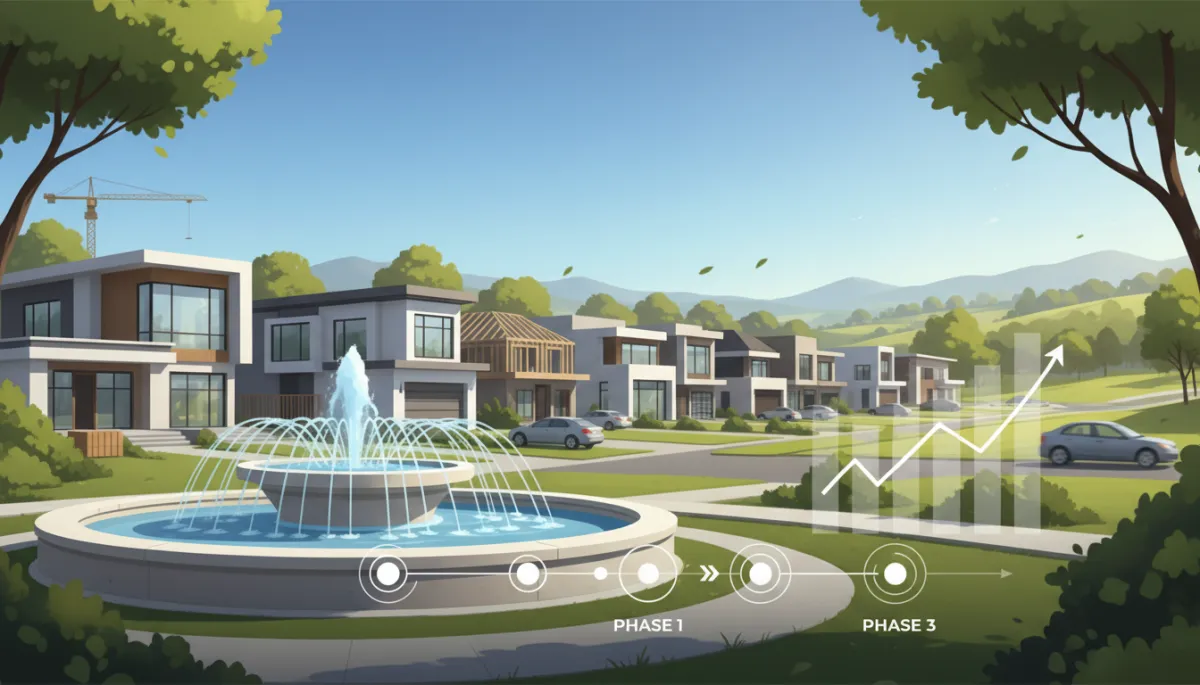
Crown Point's Fountains Project Impact on Home Values
Crown Point Real Estate, Local Development, Home Values
Will Crown Point’s “Fountains” Project Raise Home Values?
Talk of a possible “Fountains Project” in Crown Point, Indiana, has many homeowners wondering what it could mean for property values. While the city has not announced a formal project by that exact name for 2026, Crown Point is investing heavily in infrastructure, water systems, and quality-of-life amenities that function much like a broader “fountains and water” initiative—and those upgrades may influence the local housing market in meaningful ways.
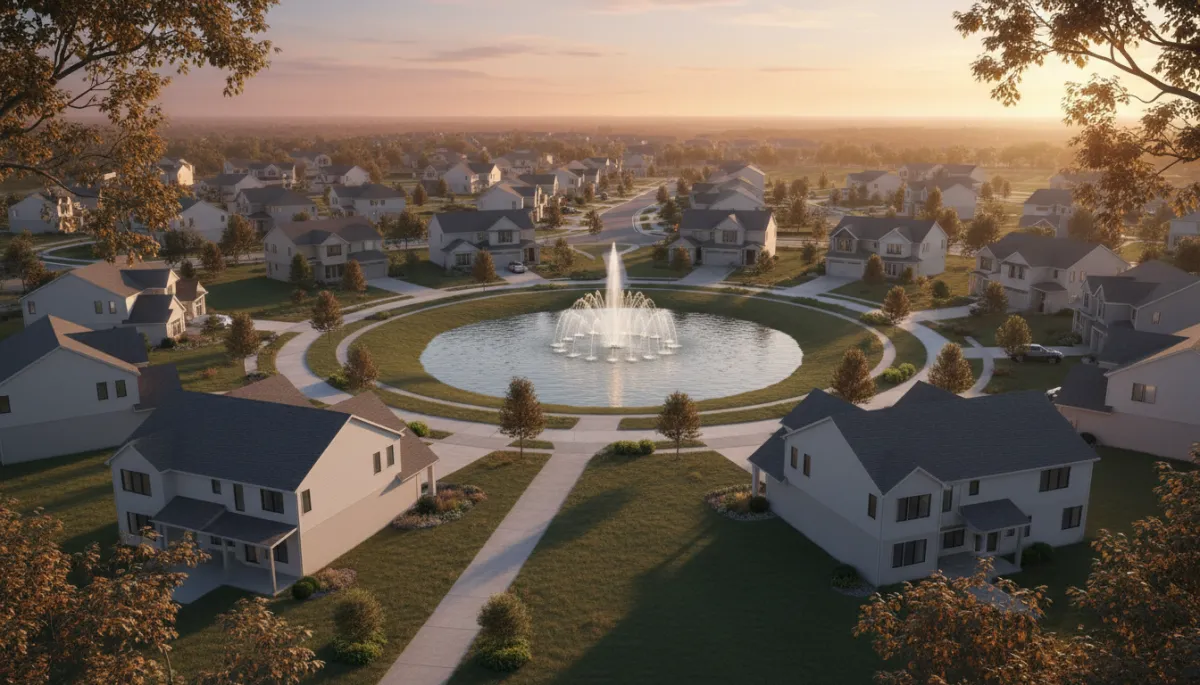
Will New Water and Infrastructure Projects Lift Home Values in Crown Point?
How phased improvements and timing may shape your next move
Understanding the Real Scope of the “Fountains” Concept
Although there is no officially branded “Crown Point Fountains Project 2026,” the city is actively working on several water- and infrastructure-focused initiatives that shape how residents experience public spaces—much like a coordinated beautification and safety program would. These include:
A multi-year downtown stormwater and flooding mitigation project, with a three-mile, four-foot-diameter underground stormwater pipe designed to reduce flooding near South Street and surrounding areas (CBS Chicago).
Water system improvements, including a 24‑inch water main feeding a new Southeast wastewater treatment plant, plus additional hydrants and valves, now in the bidding and construction pipeline (ConstructConnect, 2026).
Engineering work for a broader wastewater treatment and sewer infrastructure upgrade, with lift stations, equalization basins, and a large gravity interceptor under design.
Add to that existing amenities like the roughly four-acre pond and 40‑foot fountain at Sauerman Woods Park, and it’s easy to see why residents envision a cohesive “fountains” theme—water, parks, and infrastructure working together to enhance daily life and, potentially, property values.
Project Timeline and Phased Development: What’s Happening When?
The most visible “fountains-style” improvements are unfolding in phases rather than as a single project. Here’s how the rough timeline breaks down:
Stormwater Interceptor (Downtown Flooding Fix): This multi-year project has already begun and is expected to continue for roughly two more years, stretching into 2028. As segments are completed, specific blocks and neighborhoods should see reduced flooding risk sooner, even before the entire line is finished.
Water Main to Southeast WWTP: Bid documents were released in early 2026, signaling that construction is ramping up now. This is a shorter-term component, likely unfolding over the next one to two years, with incremental benefits as sections come online.
Wastewater Treatment and Sewer Upgrades: The city’s RFQ for engineering, issued in May 2026, suggests a longer horizon. Design, permitting, and phased construction could stretch through the late 2020s, bringing gradual but compounding gains in capacity and reliability.
In practical terms, these stages mean homeowners won’t see all the benefits at once. Instead, expect a step-by-step improvement curve, where certain streets or neighborhoods feel the positive effects a year or two before others.
Recent Market Trends: A Strong Backdrop for Value Growth
Crown Point’s housing market is already on solid footing. As of mid‑2026, multiple data sources point to rising prices and resilient demand:
Zillow reports an average home value around $362,000–$365,000, up about 1.4–1.5% year-over-year (Zillow, May–June 2026).
Redfin shows a median sale price near $330,000, up 11.2% from last year, with homes often selling in roughly a month (Redfin, three months ending May 2026).
Realtor.com notes a median sold price of about $374,500, nearly 20% higher year-over-year, and confirms it’s still a seller’s market with sale-to-list ratios around 99%.
Sotheby’s Q2 2026 update further highlights a median sales price of $380,000, up 13% from Q2 2025, even as average days on market have lengthened to about 44 days—signaling a market that is still strong, but gradually normalizing from the frenzied pace of prior years.
How Infrastructure and “Fountain-Like” Amenities Influence Home Values
Infrastructure and water-focused amenities tend to support higher property values in three main ways:
Risk Reduction: Effective stormwater management and upgraded sewers reduce flooding, sewer backups, and insurance concerns—particularly important in areas previously prone to standing water. Buyers typically pay more for homes with lower perceived risk.
Everyday Enjoyment: Features like ponds, fountains, and nearby parks (such as Sauerman Woods) add scenic views and walkability. Statewide research shows homes near trails and parks often command price premiums, a pattern that likely holds in Crown Point as green and water amenities expand (Indiana Real Estate Outlook, 2026).
Confidence in the City’s Future: Major investments—whether in flood control, water capacity, or beautification—signal that a community is planning for long-term growth. That confidence can attract new residents and developers, sustaining demand and supporting appreciation.
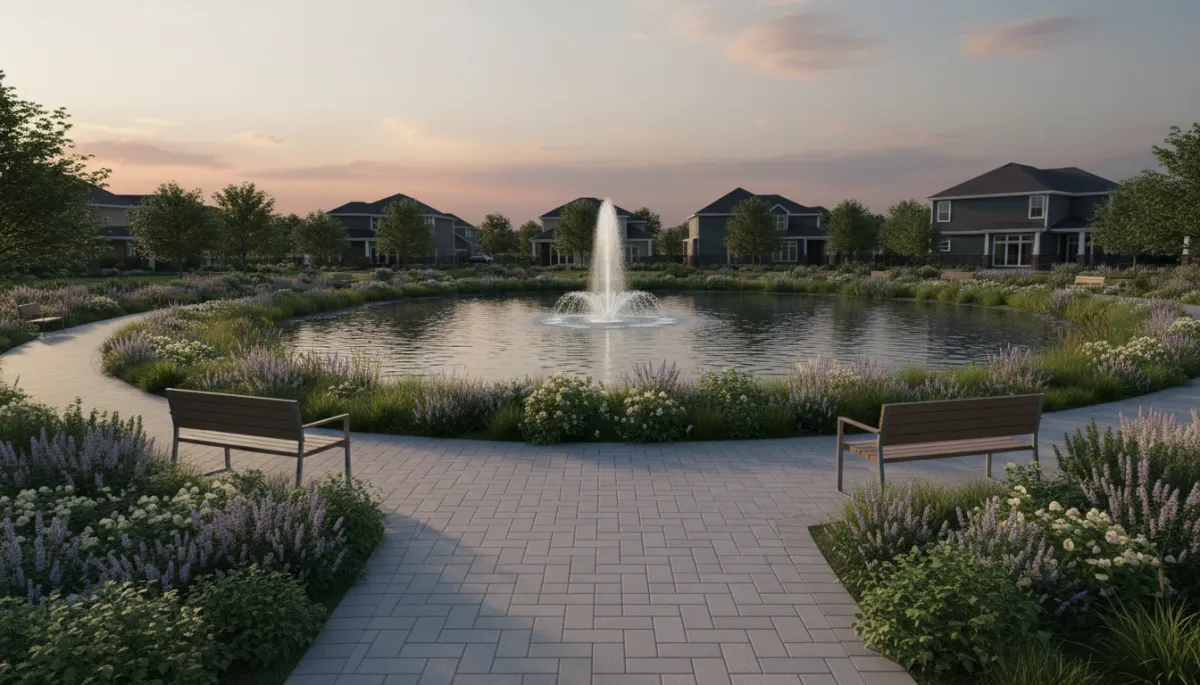
Homes near water features and parks often see stronger, more durable price growth.
Phases of Impact: Short-Term vs. Long-Term Value Changes
Just like construction itself, the impact on home values tends to arrive in stages:
Short-Term (During Construction): Nearby homeowners may experience noise, traffic, and torn-up streets. In some cases, this can temporarily soften buyer enthusiasm or prompt minor price concessions, especially if access is restricted or views are disrupted.
Medium-Term (After Key Segments Open): Once major pieces of the stormwater system or water main go live, the benefits begin to show—fewer flooding incidents, better water pressure, and clearer development potential. At this stage, values in directly affected areas often start to outperform similar neighborhoods without such upgrades.
Long-Term (System Fully Integrated): Over several years, as the full infrastructure network and related amenities (parks, trails, possible additional fountain or pond enhancements) mature, the cumulative effect can be a noticeable value premium for homes that enjoy reduced risk and improved surroundings.
Timing Considerations for Sellers in Crown Point
For current homeowners, the key question is when to list. With prices already up double digits in some metrics and the market still tilted toward sellers, there are compelling arguments for both near-term and delayed strategies:
Sell Sooner If your property is immediately affected by construction disruption—blocked streets, torn-up yards, or noise—and you’d rather exit before the heaviest work begins. Today’s strong sale-to-list ratios (around 99%) suggest you can still capture solid value without waiting years for full completion.
Consider Waiting If your home is in an area poised to benefit most from flood mitigation or proximity to enhanced water amenities. As reliability improves and any new “fountain-like” features or park investments come online, your micro-neighborhood could see an extra bump relative to the broader market.
💡 Pro Tip: Ask your agent for a hyper-local pricing analysis comparing your block to similar areas not directly affected by the new projects. That can clarify whether waiting is likely to translate into a measurable premium.
Timing Considerations for Buyers: Where Opportunity May Lie
Buyers in Crown Point face a competitive, but slowly cooling, market. Infrastructure projects and any future “fountains” branding can create pockets of opportunity:
Look for Homes Near Active Projects: Properties near construction zones sometimes linger a bit longer or accept slightly lower offers due to short-term inconvenience. For patient buyers, that can be a chance to “buy the dip” before the long-term benefits are fully priced in.
Prioritize Flood-Mitigation Areas: If a home sits in a neighborhood formerly known for drainage issues but now covered by the new stormwater interceptor, its risk profile is improving. Over a five- to ten-year horizon, that can translate into stronger appreciation and better resale prospects.
Balance Price and Lifestyle: With more mid- and upper-tier sales and a slight softening in days on market, buyers may find negotiating room—especially on homes that haven’t fully leveraged nearby amenities like ponds, parks, or trails in their marketing.
The Bigger Picture: Infrastructure, Transit, and Future Growth
Beyond water and fountains, Crown Point is part of a broader regional push to modernize infrastructure and improve connectivity. The “Livable Broadway Plan” aims to strengthen transit links among Gary, Merrillville, and Crown Point, encouraging transit-oriented development along key corridors. At the same time, the Northwest Indiana Regional Development Authority is backing projects that revitalize older industrial areas and support new residential growth.
Policy recommendations from the AEI Housing Center also point toward denser, amenity-rich neighborhoods—with smaller-lot homes, duplexes, and accessory units near jobs and services. Research shows that building closer to existing infrastructure and employment not only saves public dollars, it can also stabilize and enhance property values over time through better services and stronger tax bases (Pew, 2026).
So, Will the “Fountains Project” Raise Home Values?
While there is no single, named “Fountains Project” on the city’s books for 2026, Crown Point’s real-world combination of stormwater upgrades, water system improvements, park amenities, and potential future beautification efforts is already contributing to a positive environment for home values. With prices up across multiple data sources and infrastructure investments actively reducing risk and enhancing quality of life, the outlook for homeowners remains encouraging.
For sellers, that means a supportive backdrop where timing your move around construction phases can fine-tune your outcome. For buyers, it means weighing short-term disruption against long-term gains in neighborhoods benefiting from new water and infrastructure projects. Either way, Crown Point’s evolving landscape suggests that well-chosen properties—especially those near upgraded systems and attractive water features—are well positioned for steady, long-term appreciation.
Frequently Asked Questions
When will construction start on The Fountains in Crown Point?
Developers are targeting a groundbreaking roughly two years out from current reporting, with retail and restaurant tenants expected to be named within six to nine months. Timelines on projects this size can shift, so confirm current status with the city or your agent before making a decision based on a specific date.
How close do I need to live to The Fountains to see a value benefit?
There's no fixed radius, though homes within a few miles of the I-65 and US-231 interchange typically see the earliest and clearest effect. Homes farther out in Crown Point and neighboring communities often see a smaller, more gradual lift as the broader area's desirability improves.
Should I wait to sell my Crown Point home until after The Fountains opens?
It depends on your timeline and equity needs. If you can hold for two to three years, you're likely positioned to capture more of the appreciation, though selling now still works well if your home is priced and marketed correctly on today's fundamentals.
Does a project like this affect my property taxes?
Large commercial developments can shift the local tax base over time, which sometimes eases the residential share of the levy and sometimes doesn't, depending on how the county allocates it. Our guide to Indiana's 2026 property tax changes walks through what's already confirmed for Lake County homeowners.
Is Indiana's closing process different for a purchase near a development like this?
No. Indiana closings still go through a title company or escrow agent rather than an attorney, and every transfer still requires the Sales Disclosure Form filed with the county auditor. A nearby development doesn't change the process, only the numbers your agent should be researching before you write an offer.
