
Will the Amazon Data Center Hurt Hobart, Indiana Home Values?
Will the Amazon Data Center Hurt Home Values in Hobart, Indiana?
Not yet, and no independent study has put a number on it either way. Hobart's city council approved rezoning and a tax abatement for a large data center campus at 61st Avenue and Colorado Street, developed by Hobart Devco, and a resident lawsuit challenging that approval is awaiting a judge's ruling. Homes within roughly a half mile of the site are facing real buyer questions around traffic, water use, and electricity demand right now, even though Lake County's broader market is still appreciating. If you own or are considering a home near that corridor, the smart move is to plan around the uncertainty rather than wait for the lawsuit to settle it for you.
By the Constellation Home Sales Team | September 12, 2026
Hobart residents have been showing up to city council meetings for months over this one. At one hearing, a resident asked council members to personally pledge to buy the first nine houses that go up for sale within a half mile of the site if values start dropping. That's the kind of question that tells you where the real anxiety sits, not in the abstract "will property values fall" sense, instead in the very specific "will I be able to sell my house on this street" sense.
Here's what's actually happening, and what it means if you're on either side of a transaction near 61st Avenue right now.
What's Being Built at 61st Avenue and Colorado Street
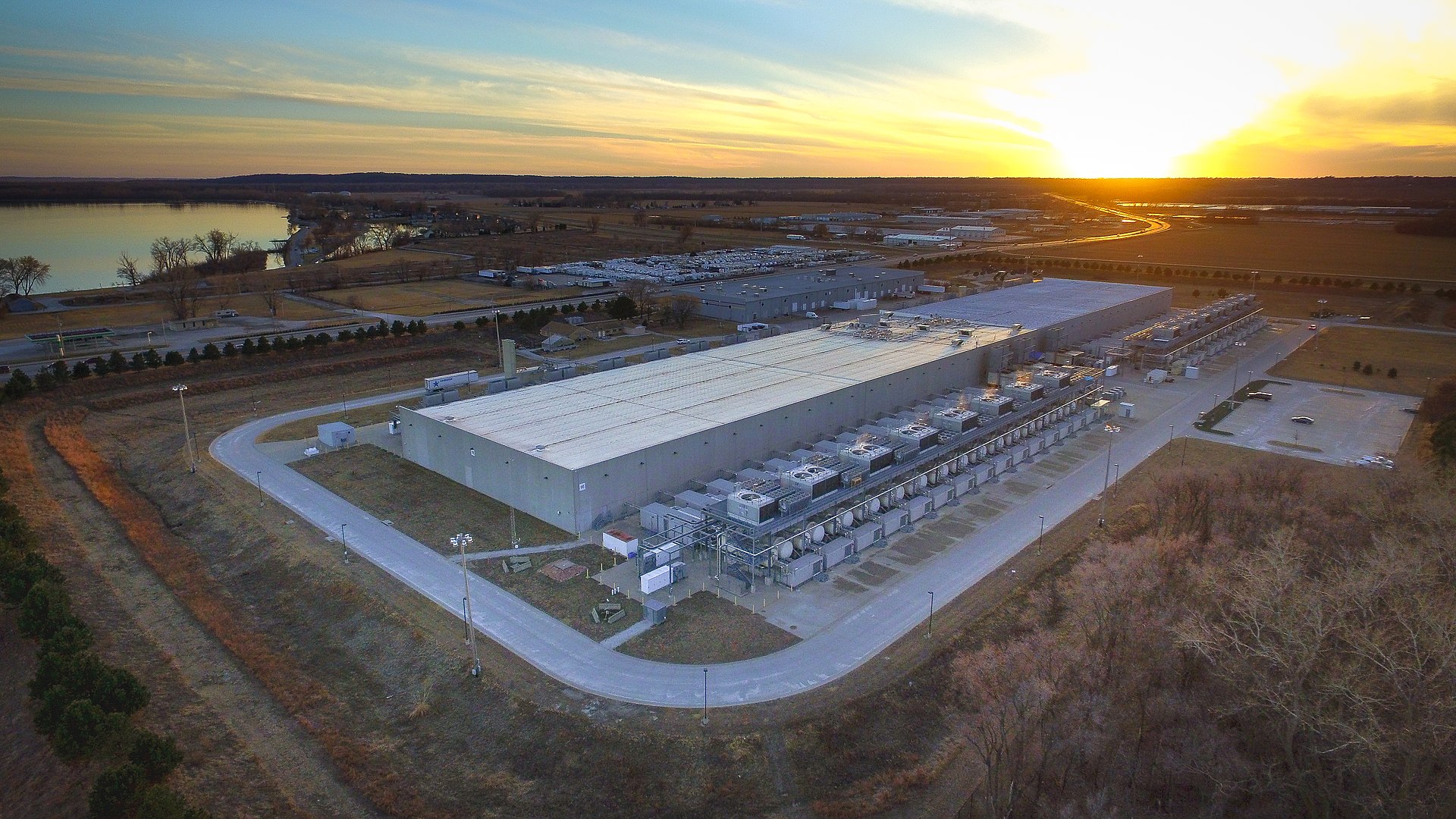
The project is a data center campus spanning roughly 168 acres, planned as six buildings, developed by Hobart Devco, LLC. The city council approved the rezoning and a related tax designation, and the developer's backers have talked publicly about a project in the multi-billion-dollar range for the broader Hobart data center push, which also includes a separate Amazon-linked next-generation campus the city has been courting.
Residents who testified against the approval raised a consistent list of concerns:
Traffic and safety— an increase in heavy trucks and earthmovers on neighborhood roads, with residents describing near-miss accidents during construction
Water and electricity demand— data centers use large volumes of both, and neighbors worry about strain on local utilities and rising rates
Transparency— several residents said they were never shown a full site plan, traffic study, or environmental review before the vote
Property values— a real estate agent testified in the related court proceeding that the project could reduce values for homes closest to the site
The city has since activated a $30 million Community Impact Fund intended to offset local disruption, and a judge has heard arguments in the resident lawsuit challenging how the approval was handled, with a ruling expected. None of that resolves the underlying question a homeowner near the site is actually asking, which is whether their home is worth less today than it was a year ago.
How Data Center Projects Typically Affect Nearby Home Values
This isn't a new pattern. It's a version of something Northwest Indiana has already lived through with other large infrastructure and employer moves, including the Gary Works tin mill restart and the ongoing Hammond jobs impact on nearby home values. The pattern tends to look like this:
Homes closest to construction see the most short-term hesitation.Buyers discount for noise, truck traffic, and general disruption while the site is being built, whether or not that discount is fully rational.
Homes a mile or more away often see little to no measurable effect,especially once the initial controversy fades from local news.
The long-term outcome depends heavily on what actually gets built and how it operates,not on the worst-case scenario debated at the zoning hearing. A data center that runs quietly with landscaped buffers reads very differently five years out than the version residents feared during construction.
Tax abatements cut both ways.They can bring new revenue and infrastructure investment to a city, and they can also mean the new development itself isn't paying full freight in property taxes for years, so don't assume it automatically means lower tax bills for existing homeowners.
None of this means Hobart's situation will resolve the same way. It does mean the fear driving today's headlines and the eventual outcome are frequently two different things, and pricing your home off the fear alone can cost you.
If You're Selling Near the Site Right Now
If your home sits within that half-mile radius, or even within a mile, here's what I'd tell you directly.
Price with the uncertainty, not against it.Buyers researching this address are going to find the same news coverage you have. Pretending the project doesn't exist in your marketing does not work. Acknowledging it, and pairing that with a clear, honest picture of what's actually approved versus what's still being litigated, builds more trust than silence does.
Get ahead of buyer questions with real information, not speculation.A buyer's agent worth their commission is going to bring this up. Have the construction timeline, the Community Impact Fund details, and the current status of the lawsuit ready to hand over, rather than letting a buyer's imagination fill in the gaps.
Understand what you do and don't have to disclose.Indiana's Seller's Residential Real Estate Sales Disclosure, required under IC 32-21-5, covers the condition of your home itself, not nearby development plans. There's no legal obligation to write a paragraph about the data center on that form. Separately, at closing your title company will handle the Sales Disclosure Form, State Form 46021, which is a property tax filing submitted to the Lake County auditor and is not the same document as the condition disclosure, and not a transfer tax. Neither one asks you to editorialize about a neighboring project, though most experienced sellers choose to be upfront with buyers anyway, since silence tends to read worse than the facts.
Remember Indiana closings run through a title company, not an attorney,so questions about how a pending lawsuit or a tax abatement might affect your closing timeline are best routed to your title company early, not discovered the week before you're supposed to close.
If your street is genuinely getting hit with construction traffic today, waiting for the court ruling before you decide anything is its own decision with its own cost. Every month of holding is a month of carrying costs and a month closer to whatever the market looks like once construction wraps.
If You're Buying Near the Site
If you're looking at a home near 61st Avenue and Colorado Street and you're getting a discount versus comparable homes farther away, that discount is real information, and it can work in your favor if you go in with clear eyes.
Ask your agent to pull the actual project timeline, not the version from a Facebook group. Ask what's inside the Community Impact Fund and whether any of it is earmarked for the immediate neighborhood. Ask what the lawsuit is actually challenging, since a procedural challenge to how a vote was conducted is a different risk than a challenge that could halt the project outright.
A discounted price on a home you'd otherwise want, in a market where Lake County home values are still climbing overall, can be a legitimately good buy. It only works if you understand exactly what you're pricing in, rather than assuming the worst or assuming nothing at all.
For a broader read on where Lake County and the rest of the region stand heading into fall, our Northwest Indiana housing market overview for 2026 breaks down the pricing and inventory trends outside this one corridor.
Frequently Asked Questions
Has the Hobart data center already lowered home values near 61st Avenue?
No independent property value study has been published on this specific project yet. What's documented is buyer hesitation and construction-related disruption near the site, plus testimony from a real estate agent in the related lawsuit who believes values near the site could decline. Whether that turns into a measurable, lasting effect depends on how the finished project actually operates.
What is the $30 million Community Impact Fund, and does it help nearby homeowners directly?
The city activated the fund in response to resident concerns about disruption from the project. The specifics of how those dollars get distributed are still developing, so if you're near the site, it's worth asking the city directly whether any portion is earmarked for your immediate area rather than assuming it applies broadly.
Should I wait to sell my house near the data center until the lawsuit is resolved?
Waiting has its own cost in carrying expenses and market timing, and a ruling does not guarantee clarity even once it comes down. Most sellers are better served pricing and marketing honestly around the current uncertainty than putting their plans on hold for a court date with no fixed timeline.
Will the data center raise or lower my property taxes in Hobart?
The project's tax abatement affects what the developer pays, not your individual assessment directly, though large new developments can eventually shift the tax base for the surrounding area over time. Confirm the current filing fee and any assessment changes with your title company or the Lake County auditor's office before assuming either direction.
Do I have to tell buyers about the data center when I sell my home?
Indiana's Seller's Residential Real Estate Sales Disclosure covers your home's physical condition, not nearby development projects, so there's no form requirement to disclose it. That said, most buyers will find the news coverage within minutes of searching the address, so being upfront tends to build more trust than staying quiet.
Every situation near this site is a little different depending on exactly how close you are, what your timeline looks like, and what you're trying to accomplish. If you're within a mile of 61st Avenue and Colorado Street and trying to figure out whether to list now, hold, or make an offer on something in that area, text or call 630-912-9129 and we'll walk through what the current data actually says about your specific address, not just the headlines.
About the Constellation Home Sales Team
The Constellation Home Sales Team — Steve Roake and Kimberly Genovese — has closed more than 615 transactions worth over $113 million across Chicago's southwest suburbs and Northwest Indiana. Licensed since 2003 and operating under Keller Williams Preferred Realty, the team specializes in probate and estate sales, expired listings, negotiation, and divorce and life-transition sales, with a track record of selling homes at 101% of list price against a 97.7% MLS-wide average. Connect with the team at freedomgroupglobal.com or 630-912-9129.
